
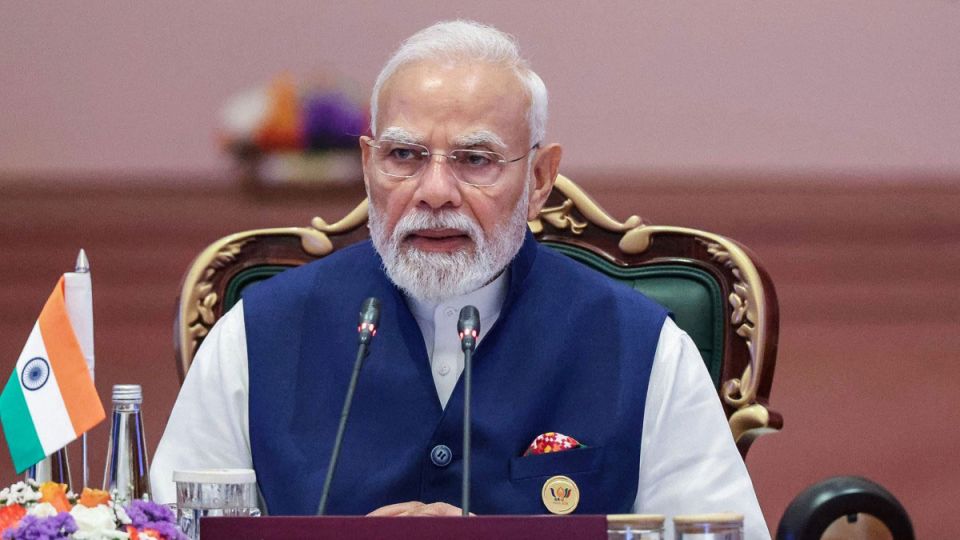
At a semiconductor summit in New Delhi, Prime Minister Narendra Modi took center stage to hype up the nation's tech ambitions, declaring that Indian-made chips will eventually be sold across the world. The government unveiled its "Semiconductor 2.0" initiative with a lofty target: backing at least 200 chip design startups. That doubles the scale of the previous phase, where 105 startups joined and 20 secured about 8 billion rupees in funding, signaling a clear push to crank the industry’s gears into higher motion.
The new roadmap spans six core areas: chip design, equipment and materials, manufacturing, advanced packaging, R&D, and workforce development. Out in Odisha state, construction is already underway on a 3D packaging plant. But the most practical focus remains on manpower. Having trained 70,000 design engineers over the last four years, the government is now shifting its focus directly to cleanroom shop floors, aiming to train 100,000 technical workers to supply both new domestic plants and the global market.
India's central government has already approved 12 semiconductor projects, with three facilities from the first phase already up, running, and shipping products. Modi sounded confident, citing the country's recent 7.8 percent GDP growth and a newly opened 3,000-kilometer dedicated freight corridor as strong backing for these ambitions.
Out on the streets, evening tea stalls are often filled with young guys on motorbikes taking breaks from late shifts, their chatter almost always turning to finding decent work. Making microchips sounds fancy and high-tech, but if those 100,000 technician positions actually materialize, giving regular youth a shot at steady pay inside clean, modern factories—that is the kind of change that truly counts.