September 24, 2026 (Singapore time) | The daily grind of going south
Today's summary
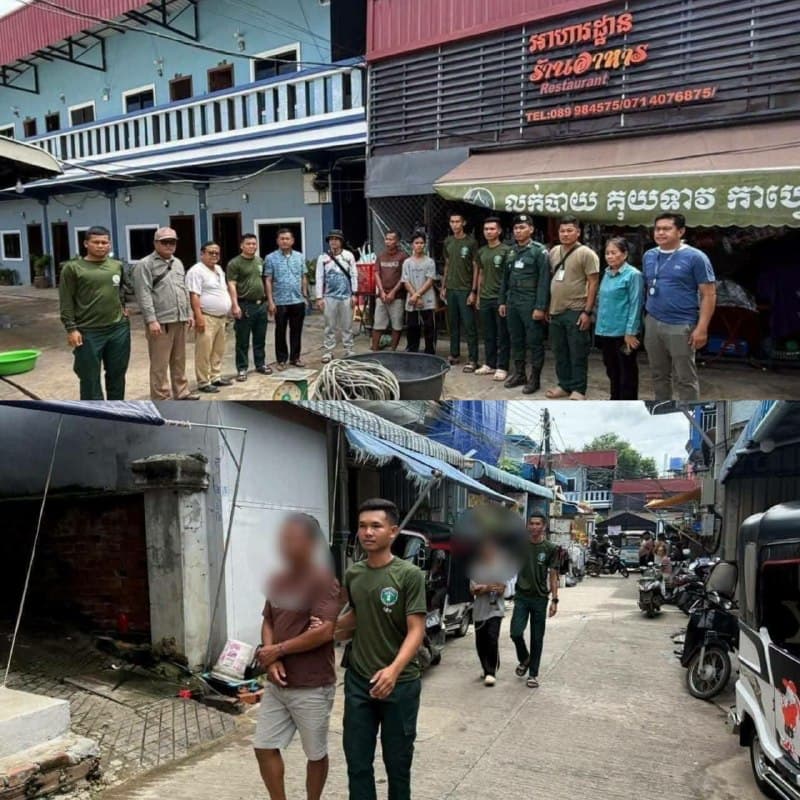
Cambodia: In Sihanoukville, military police stood guard in the stairwell and at the back door of the ninth floor of Lanhai, and two people had just been taken away from the lobby; after finishing their search of Nanhai Dormitory Building A, the military police moved on to the Nanhai Hotel. In Phnom Penh, police cars pulled up outside the Notice Hotel in the afternoon, where scam workers arrested in April and a boss in a red shirt were escorted in to point out the scene; on Road No. 3, yet another garment OEM factory has stalled, and dozens of workers blocked the gate demanding two months of overdue wages. The telecom regulator (TRC) ordered a halt to counterfeit and second-hand telecom equipment; merchants must register as compliant dealers within sixty days and switch to selling new, certified goods. Neighbors are still talking about the new word on water and electricity charges — those renting shops will have to count every riel even more carefully at month's end.
Laos: From the 21st to the 22nd, Vientiane's Sisattanak district raided five dens in a row, arresting thirty-three Chinese nationals involved in online fraud and online gambling and seizing large numbers of phones and computers on site. Separately, part of a transnational "national asset unfreezing" scam was taken down — it invented fake "state projects" to target the elderly, with sums involved exceeding six billion; Laos, Singapore, Cambodia and other places cooperated in the sweep, and 257 people have been arrested in the case in total.
Vietnam: Vietnam is pushing to connect its VNeID electronic identity with Singapore and Laos, which should mean less hassle at border checks.
Notes from abroad: The Chinese Embassy in Sri Lanka issued a safety reminder for the Mid-Autumn Festival and National Day holidays; in Islamabad's G sector, a company was robbed by people in police uniforms who brought others over the wall — neighbors remind everyone to stay alert when hiring security guards and cleaners.
One dish for today: Cambodian lok lak; one pick: a little roadside café in Hanoi; one piece of history: Ayutthaya, the old Thai capital — the kitchen fires still burn, and we still have to eat.
The hardships and heartache of going south
People go south not for the scenery but for a steady meal. Once the factory gate is locked, the $50 rent and the water and power bills are still deducted, and the children's school fees are still hanging — watching those dozens of workers on Road No. 3 doing their sums under the blazing sun makes anyone's heart tighten. When the factory stops, the fried rice-noodle stalls nearby empty out too; street business is all linked together. Once military police appear in a building in Sihanoukville, voices drop in the corridors, and people look twice even when stepping out for a pack of cigarettes; at Lanhai and Nanhai, those living in the dorms and hotels only wanted an easy commute, yet have to spend the day in fear.
Stall owners who get by selling second-hand phones and old walkie-talkies will have to find another way to live once the sixty-day rectification period is up — officials cite radio interference, battery fires and equipment that could be used for fraud, but for small traders it is the daily rent and utilities. Small traders running to Vietnam, Laos and Singapore have their passports checked over and over and bake for half a day at checkpoints during peak hours, hoping electronic ID will shorten the queue a little. This isn't crying poor; it's laying life out plainly: to stand your ground in a foreign land, you rely on keeping your feet on the ground, not on shortcuts.
Inside the minds of those who went astray
A reader wrote in: after stepping back to a "second-line" role in Phnom Penh, he shared a rented place with people from his hometown and took on crypto money laundering, while the upstream operation ran sextortion. Transfers by phone, from a few hundred to tens of thousands per transaction — high volume, fast money. The big operations moved to the mountains in other provinces to lie low, but they, relying on a few phones, still dared to stay in the city. At the start of 2026, his crooked thinking turned to his own younger sister — he had her get classmates back home to register exchange accounts, renting them for about 150 yuan a day. You can't wrap fire in paper: as more people reported to police, the crypto dealers went in one by one, and the fire burned back home — his sister was arrested and named a ringleader of the domestic organization, facing a sentence starting at five or six years, and her classmates and friends were detained and fined as well. He sits at a roadside coffee stall, his tea going cold fast — he meant to ease his family's burden, and instead dragged his own flesh and blood down.
At the door of the Notice Hotel, the boss in the red shirt walked in with his head bowed. Compatriots running stalls nearby murmured: who isn't here to pay the rent and support their kids? Yet some insist on taking shortcuts. Those who go astray aren't necessarily bad to the bone; most first get greedy for a bit of "easy", then for a bit of "looking after the family", and finally drag their loved ones into the mud. The heartache is understandable, but the accounts must still be settled: crooked paths neither let you sleep well nor take you far.
The harm done by the gray economy
The six-billion "asset unfreezing" scam targeted the elderly; the equipment seized from villas to guesthouses and apartments in Vientiane's Dongsavath village is tied to a string of victims back in China. Along the laundering chain, unwitting classmates were detained and fined too — the harm never stops at the "insiders". When one building is searched, the whole building panics; when one den is busted, the atmosphere sours; kidnappings and robberies are often described as inside jobs, and "security guard" and "cleaner" have become words that make people nervous. For host countries, it means enforcement costs, radio interference, fraud equipment and electronic waste; for the overseas Chinese community, it means trust overdrawn, and the words "Chinese person" draw sidelong glances. Those who work honestly or run small shops hate most of all that such people have turned Nanyang into a place of constant anxiety. The embassy reminds everyone to stay away from gambling, fraud, drugs and loan sharks, and not to hand over their passports carelessly; with fake job offers and fake investments, verify first before taking a step — this isn't to scare you, it's to help you keep your hard-earned money.
A letter from those who went south should be about home cooking and a settled life, not handcuffs and cold tea. Half a life adrift, the world's ups and downs all become stories; a thousand words, and every line is full of deep feeling — that letter sent from Nanyang, did you receive it?