Sit at a roadside tea stall in Phnom Penh, and chances are you’ll hear nearby traders complaining about shipments stuck at customs. Getting cargo to the port is only the first hurdle. Make one mistake on a declaration form or miss a single permit, and your whole container sits dead in the water. Industry association representatives say customs clearance is actually fairly quick and smooth these days; nine times out of ten, cargo gets held up simply because the paperwork wasn't fully prepped.
Containers get a maximum of one week of free storage at the port. Once that week is up, storage fees start racking up fast. In the time it takes to finish a quick bowl of noodles on the sidewalk, those charges are already climbing. If the delay causes you to miss your delivery deadline, you're hit twice—first by port fees, then by breach-of-contract penalties from your buyers.
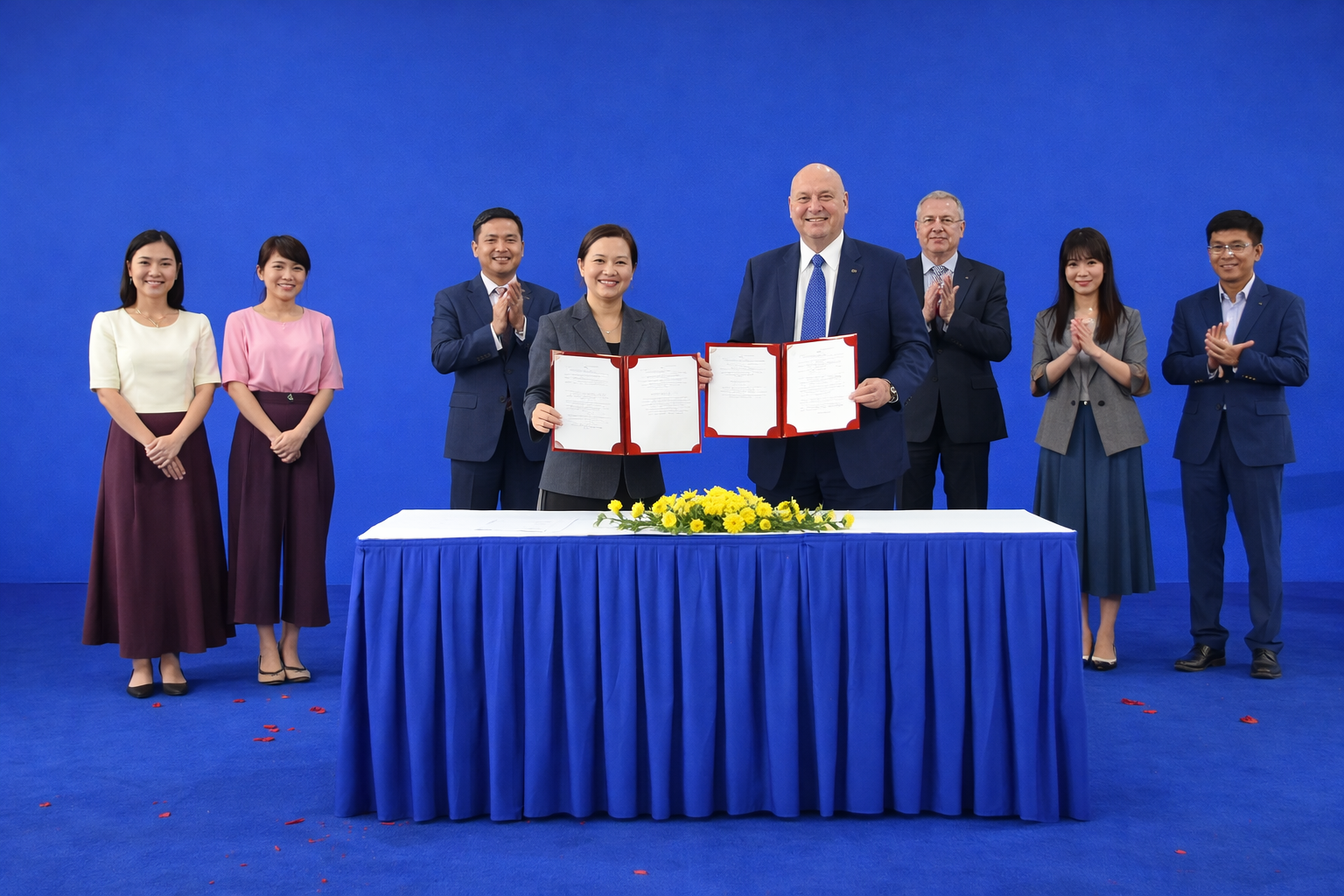
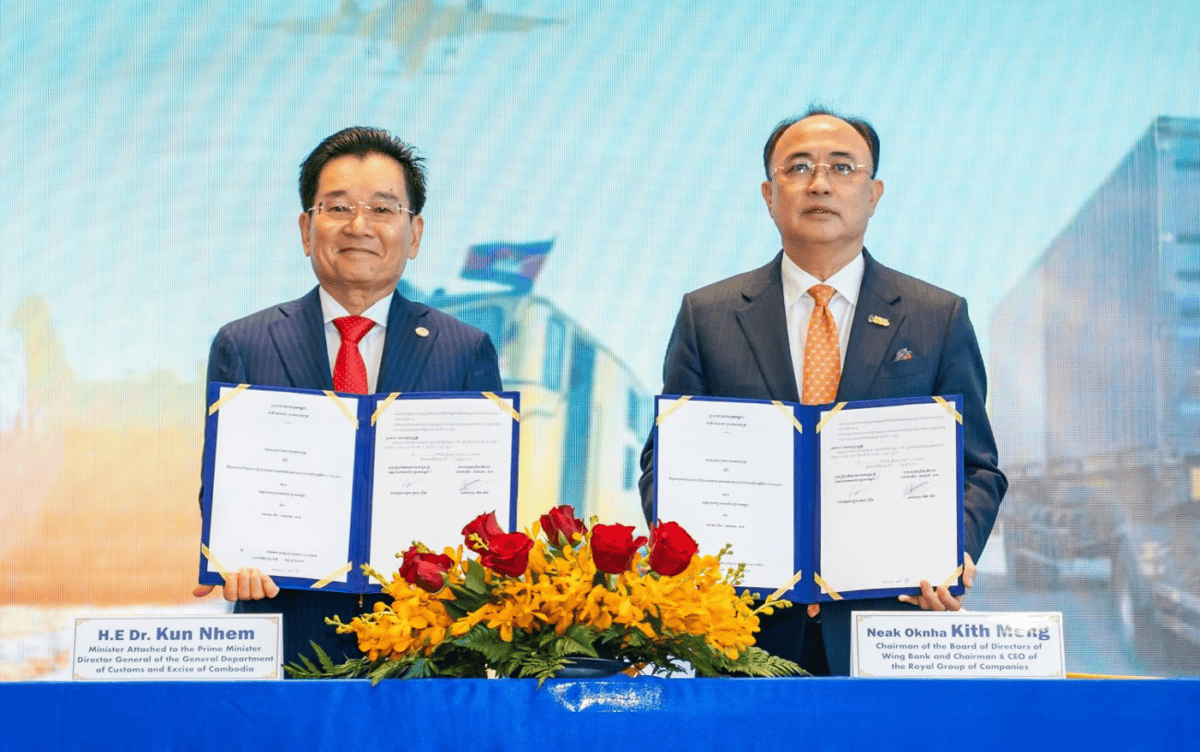
For anyone running an import-export firm or renting warehouse space for wholesale, the ultimate nightmare is a sudden cash flow freeze. Staff wages are due, warehouse rent is waiting, and customs duties and taxes must be paid to the cent. When goods are trapped at the gate, working capital is locked up, making for plenty of restless nights. Recognizing the pressure on local businesses, officials have partnered with a local bank to launch a dedicated customs clearance financing scheme, designed to help compliant companies bridge cash flow gaps and keep cargo moving.
According to official details, the facility comes in both secured and unsecured options. The secured credit line offers up to $5 million at an annual interest rate of 7.5%. The unsecured option provides up to $500,000 at 8.5% per year, with a maximum term of one year. Borrowers also get a seven-day interest-free window after each drawdown, along with customs guarantee letters.
Out on the street, motorbikes rumble by in the heat. For anyone doing business here, the lesson is straightforward: master your customs paperwork upfront and keep a tight handle on your cash flow. Getting your goods safely back to a Phnom Penh warehouse on time is what really matters.