Coral reefs around the world have had a rough time lately. Marine heatwaves are hitting more often, giving reefs zero breathing room to bounce back. According to a latest report by international scientists, the average global hard coral cover has dropped from 30.2 percent in 1980 down to 27.3 percent in 2024. Every time El Niño rears its head and ocean temperatures spike, corals expel the algae that feed them, turning chalky white. If the heat keeps up, they get sick and die.
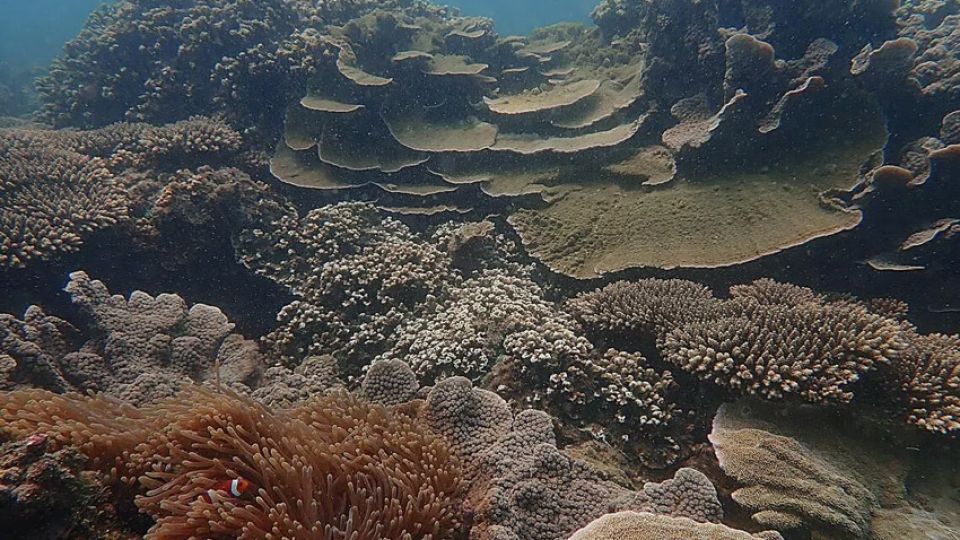
Southeast Asia's waters, though, are marching to a different beat. Based on this newly released major study, coral cover across East Asian seas—including Singapore, Malaysia, and Indonesia—has held remarkably steady over the past forty years. This region not only holds the Coral Triangle, home to thirty percent of the world's reefs, but it has also dodged the kind of runaway seaweed blooms that choke out other areas. Local experts say this suggests the corals here might carry natural heat-resistant genes, or host microbes in their tissues that help them weather the high temperatures.
Even so, folks running shops along the shore and working the docks know that rising sea temperatures are still a ticking time bomb. Regional researchers point out that beyond warming water, plastic waste, overfishing, coastal land reclamation, and nutrient pollution from sewage are all quietly chipping away at the ecosystem. While the big picture shows the region's coral looking stable on average, losses in some spots are just being masked by gains in others, leaving hidden vulnerabilities underneath. If we want to keep these reefs around, it's going to take constant, hands-on management every single day.