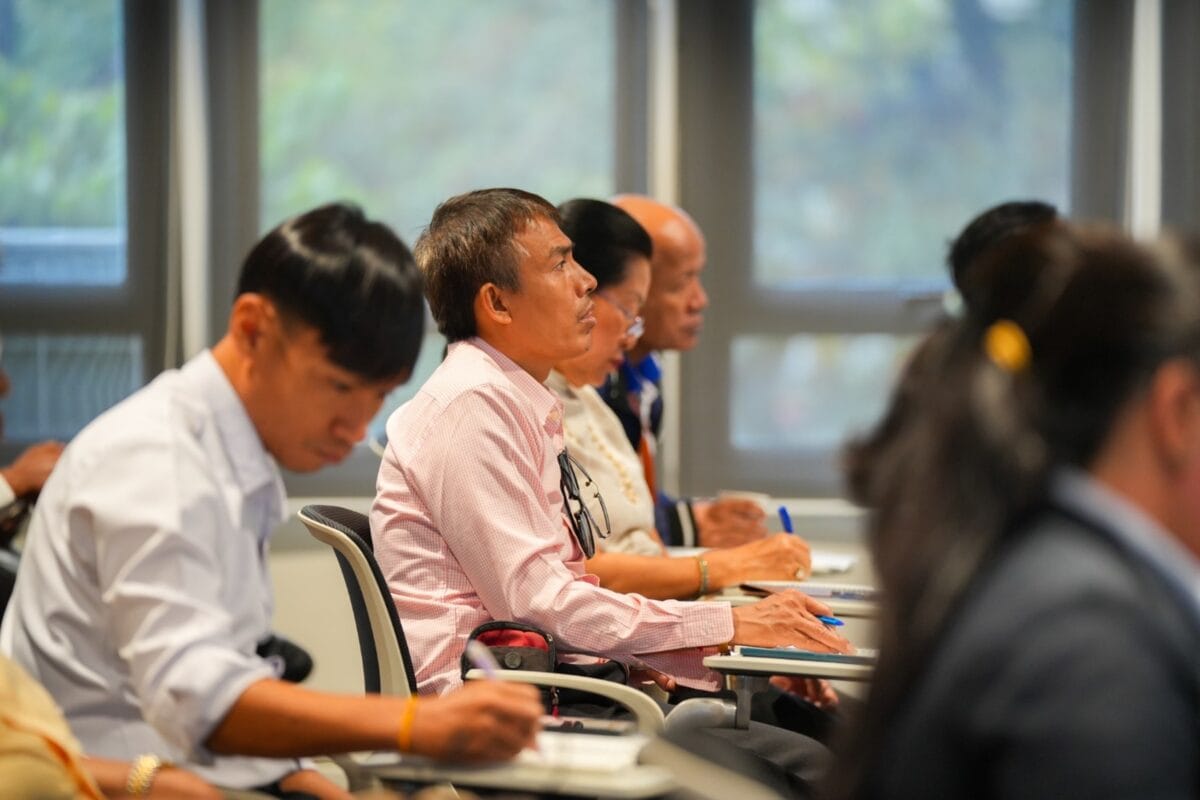
Back in mid-September, the Khmer Rouge tribunal in Phnom Penh ran a training session for 45 tour guides. According to local media, this was the second such class held for guides this year, following an earlier round in August. The goal was simple: make sure guides leading groups can properly explain that dark chapter of history and the subsequent trials without making things up or leaving out key facts.
Hem Kranh Tony, head of administration at the court, told the gathering that guides showing local and international visitors around aren’t just selling scenery—they are telling the country’s history. He reminded everyone that talking about the Khmer Rouge era has to be rooted in evidence. History shouldn't just be spun like a yarn; guides owe it to the victims and future generations to keep the truth straight.
During the session, the guides didn't just sit in a classroom. They also visited a memorial park, the archives, and a mobile resource center. They learned how to keep personal opinions separate from established facts and brushed up on a law updated this March, which makes it a punishable offense to publicly deny, glorify, or downplay the regime's crimes.