
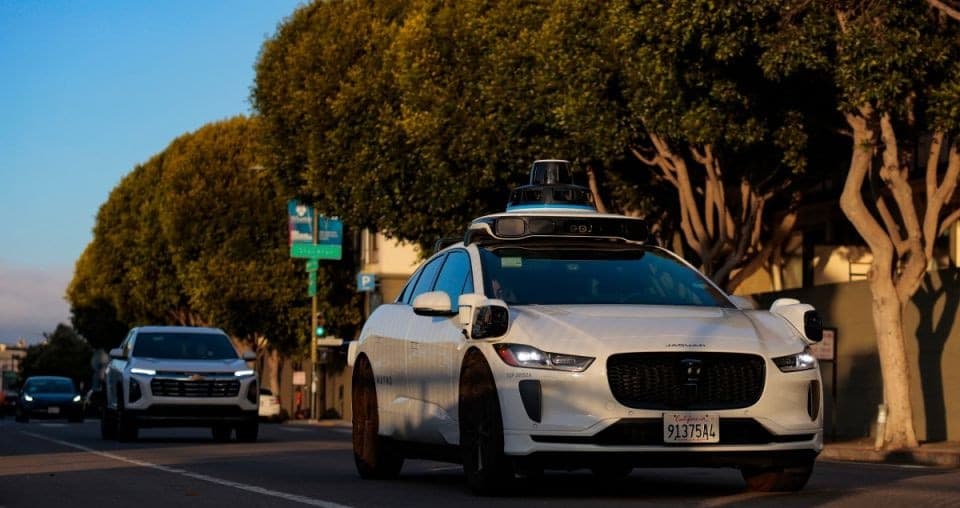
Waymo, the self-driving taxi service owned by Google’s parent company Alphabet, is making its move into Southeast Asia. Its first stop is Singapore, with a full commercial launch for the public slated for 2028.
In the next few months, the company will roll out its first batch of Jaguar SUV test vehicles onto local streets. The cars won't be completely empty at first. Waymo plans to hire local safety drivers to sit behind the wheel, keeping an eye on things while the system gets used to Singapore’s road conditions and sudden tropical downpours.
Alongside safety drivers, Waymo is also recruiting local logistics, maintenance, and customer support staff. The main goal for these robotaxis is to tackle the "last mile" commute, connecting passengers between MRT stations and their doorsteps, residential blocks, or commercial centers. According to local media, more than a third of Waymo trips in San Francisco are used specifically to connect with public transit. Company executives also highlighted that after several years on US roads, their vehicles have been involved in far fewer serious accidents than human drivers.
Singapore is Waymo’s second announced market in Asia, following plans to launch in Tokyo in 2027, alongside a registered entity in South Korea. Within Southeast Asia, Singapore is the ideal testing ground. The roads are well-paved, traffic rules are strictly enforced, and you rarely see street hawkers or swarms of motorbikes weaving through traffic.
If driverless cabs do fill the streets by 2028, catching a ride after a late shift or heading out for an early morning commute should get a whole lot easier.