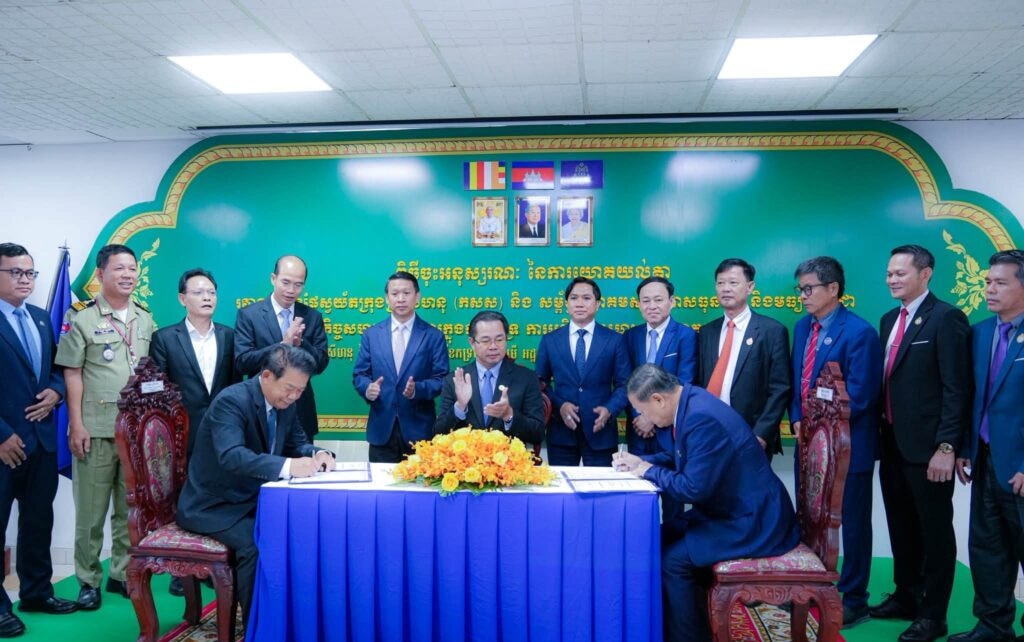

Over at the local tea stalls and sidewalk food carts in Phnom Penh, people are actually talking about this issue. To put it plainly, Cambodia’s stance is very clear: no picking fights, no going to war, but things can’t just drag on like this forever. According to local legal experts, Phnom Penh has put forward a three-step roadmap. Step one is to honestly sit down and talk borders to get the lines clearly drawn. Step two, if talks hit a wall, is to jointly develop resources so everyone can get on with making a living. Step three, if things still get stuck, is to rely on recommendations from international bodies to keep the conversation going. It is a pragmatic approach that respects the law while making sure both sides don't miss out on tangible benefits.
Down in Bangkok, though, they have their own perspective. Thailand feels that the old playbook from the past twenty years belongs in the past, and wants to set up a new framework—even insisting that border demarcation must come before any talk of resources. From the neighborhood point of view, wanting a fresh approach is understandable, but geography is fixed and historical documents can't just be wiped away. International law makes it quite clear that before borders are finalized, both sides can easily talk and cooperate at the same time without having to slam the door shut. Phnom Penh doesn’t need to match fists with Thailand; international law is its best backing.
At the end of the day, this isn't just a domestic dispute between two neighbors; it also sets an example for the whole of ASEAN. Instead of using force or confrontation, you handle things by the rules and keep life stable. The conciliation committee is just setting the stage; in the end, the two sides still have to sit down and grind it out together. As long as they don't back themselves into a corner, that contested gulf could turn from an old headache into a place where both sides live peaceably and make money together.