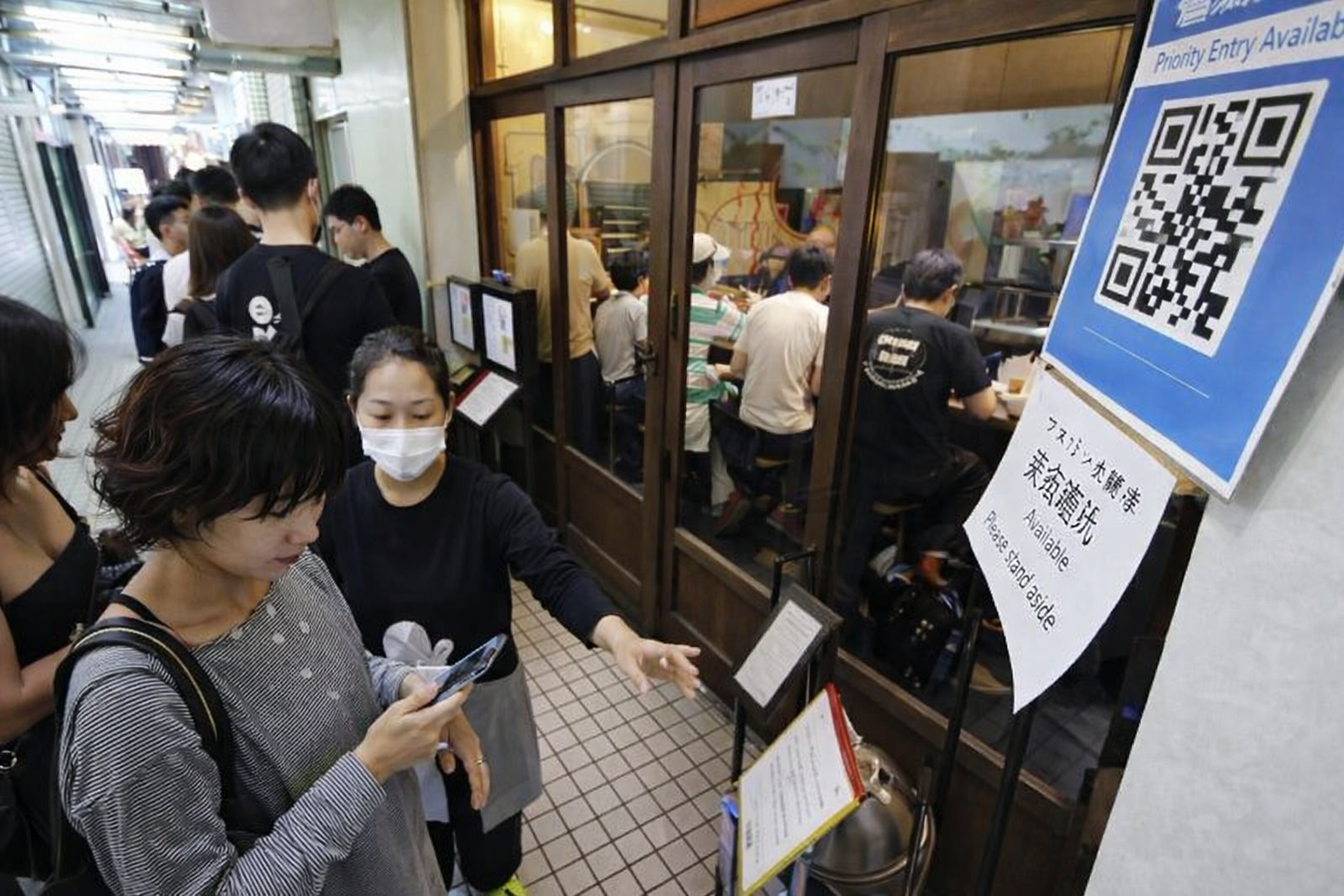
Outside a popular ramen shop in Tokyo’s Taito ward, long queues are a daily sight. Hungry customers often stand under the sun for up to an hour and a half just to get a bowl of tsukemen and wagyu rice. But now, the restaurant has introduced a reservation system called SuiSui. By scanning a QR code and paying an extra fee to skip the line, diners can head straight inside. The ticket price fluctuates depending on how long the physical queue is, starting at 1,000 yen. A civil servant visiting Tokyo from out of town recently shelled out 2,000 yen for two priority passes just to save time for sightseeing. The shop owner says the system not only boosts revenue and helps keep noodle prices steady amid rising ingredient costs, but also allows them to treat customers to free rice.
This pay-for-priority trend isn't just taking off in restaurants—some clinics are using it too. A medical facility in Tokyo has rolled out a smart pass system where internal medicine patients can pay an extra 500 yen to see a doctor faster. A clinic manager noted that some patients used to turn away when they saw the long wait times, but having a virtual queue option makes visiting the doctor much more convenient.
Local media report that this shift is driven by a growing obsession with time efficiency. Surveys show that over 60 percent of people in Japan feel that chasing time efficiency has become the societal norm. Nearly a third admit to spending money just to save time, and among young people, about half have tried services that let them pay for convenience. Whether it’s theme park fast passes or the latest queue-skipping options at eateries and clinics, people seem happy to pay if it means spending less time waiting in line.