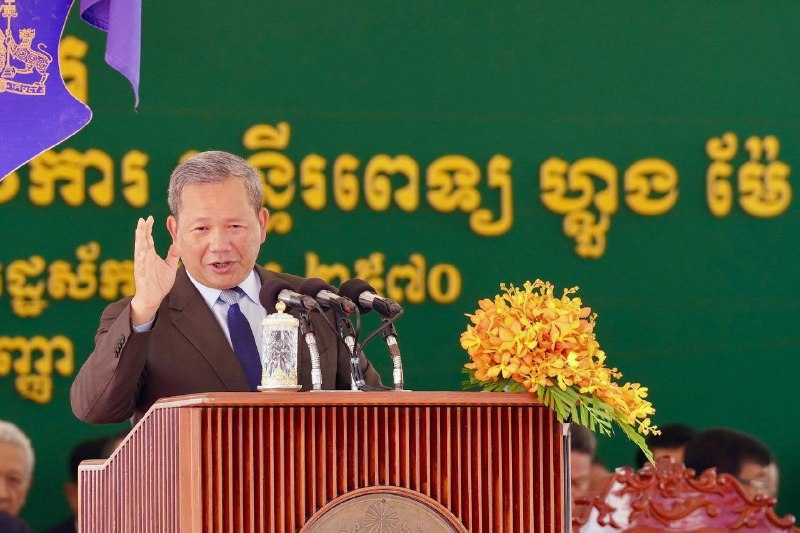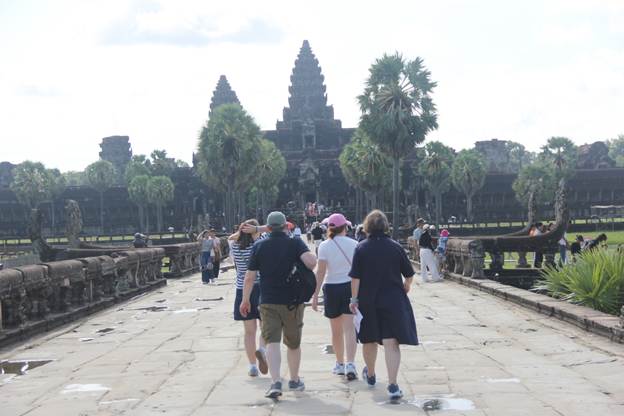
Over the past few days in Phnom Penh, Prime Minister Hun Manet has made it crystal clear that certain ambitions are dead on arrival. He drew a hard line on Siem Reap, home to Angkor Wat: there has never been a casino there in the past, and under his watch, there will not be one now, ever. Even when outside voices try to pitch it as an economic necessity, arguing the province cannot survive without gambling, he refuses to budge. Local media reports that the young leader would rather let the tourism sector shoulder the burden than let a casino anywhere near the ancient city.
Sitting in a local tea stall sipping iced tea, people around the table know the truth: Siem Reap thrives on its thousand-year-old stone temples and backpackers from every corner of the world. Cramming in slot machines and gambling tables would only ruin the magic of the place. The Prime Minister himself put it bluntly—if the province cannot survive without casinos, then let it fail and the government will step in to cover it. It is a bold stance that has locals cheering. Even a local tuk-tuk driver on the street said that tourists coming to catch the sunrise at Angkor aren’t here to play poker. Protecting our ancestors' legacy matters more than anything else.
And it is not just Siem Reap slamming the door shut; the days of easy gambling are numbered nationwide. According to local officials, over a hundred casinos big and small across the country are currently being audited to see if all of them are actually necessary. The old days of low entry barriers, where a simple shophouse could set up a gambling den, are over. The rules have changed, and now you cannot even get through the door without a hundred million US dollar investment. Couple that with a fierce crackdown on online scams and cyber-gambling launched in October, and all those shady operations hiding inside casinos are being rooted out. Nobody is slipping through the cracks anymore.