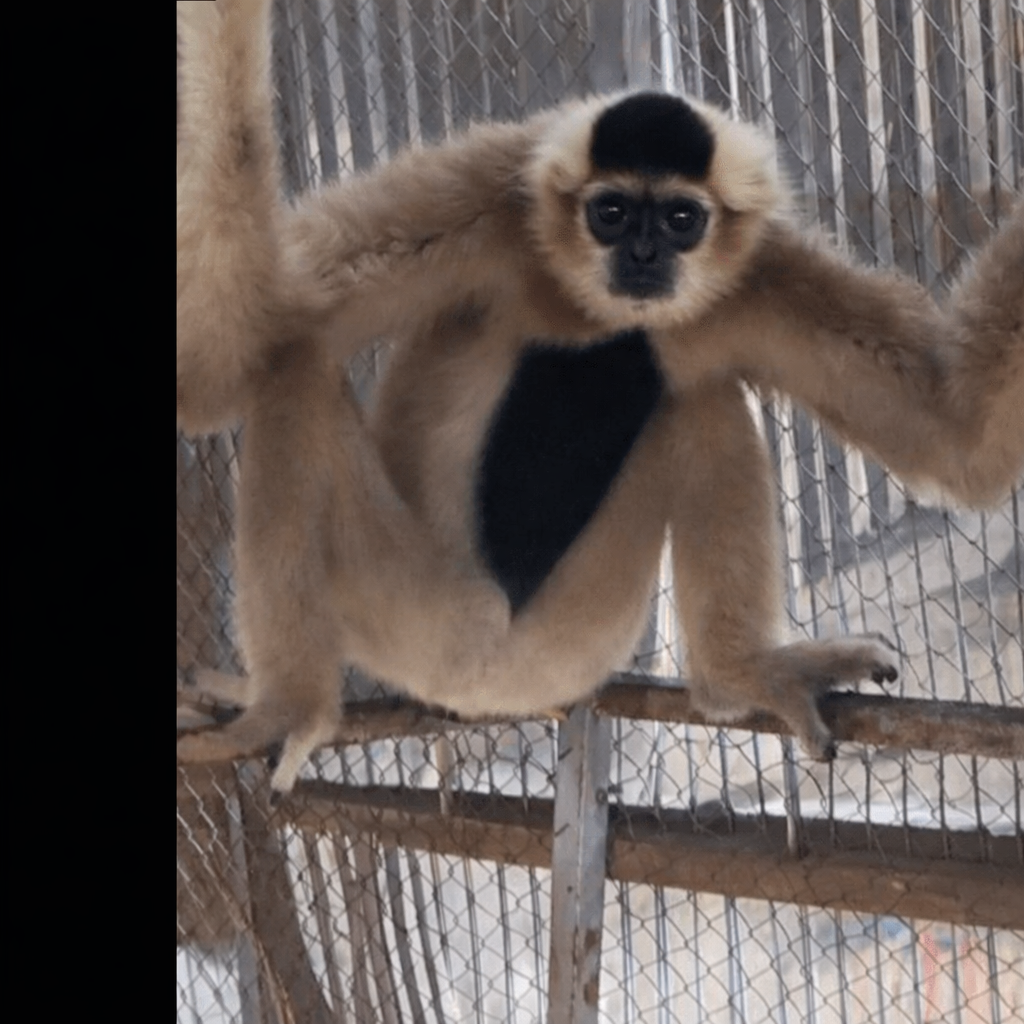
Sipping an iced coffee on a Phnom Penh sidewalk and scrolling through your phone, you might expect to see something amusing, but you could easily feel like you've stumbled into a wildlife market. Leaf monkeys, gibbons, and tiny, unidentifiable turtles pop up right on your screen, clear as day. Sellers don’t even bother hiding their faces; they just post their contact details straight onto Facebook, with the little animals still thrashing about in the video clips. Local media and research reports point out that the vast majority of these illegal online sales happen right out in the open on Facebook. If someone tried to publicly hawk Angkor Wat stone artifacts online, there’d be an immediate uproar. Yet when it comes to these living treasures from the forest, people seem to treat it as business as usual.
Out in the Cardamom Mountains, forest rangers brave the searing heat and swarms of mosquitoes, risking everything to dismantle snares and wearing their soles to blisters protecting the trees. And what happens? You turn around and see that the very same kinds of animals they’re trying to save are being openly advertised and sold by the handful on the internet. Local studies show that this online wildlife trade not only refuses to die down, but a huge chunk of it is brazenly plastered right on main feeds, easily within reach of any kid with a phone. Whatever happened to cracking down on illegal wildlife trafficking? Those grand promises made by tech giants a few years ago to team up and clean out this prohibited content now look like an absolute joke. These multinational corporations rake in massive profits while letting their algorithms turn the country's precious natural heritage into quick cash for smugglers.
Huge swaths of mountain forests here have been carved out as protected areas, and both the government and NGOs pour immense effort into guarding the land. But unless those online sales channels are choked off for good, the forests are eventually going to fall silent. Cambodia has strict laws protecting wildlife, and we cannot afford to be fobbed off with a few casual promises. Local residents and conservationists agree it’s high time these tech giants stepped up and took responsibility—accounts that need deleting should be deleted, and content moderation in local languages needs to catch up. If this laissez-faire attitude continues, the creatures left to this land by our ancestors will be sold off entirely under the glare of smartphone screens.