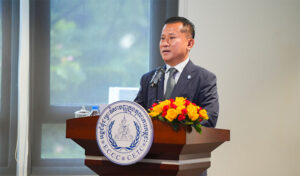
Last Friday, the Khmer Rouge tribunal welcomed a very particular group of trainees: forty-five tour guides who spend their days leading groups around the country. According to local media, the training session was designed to help them explain transitional justice and the tribunal’s historical legacy more clearly to visitors.
These guides usually spend their time showing people the Royal Palace, taking them through the Psar Thmei market, or heading out to historical sites. Tourists often ask about the dark days of the past, but when guides just stick to their standard script, it’s hard to really convey the weight of what happened. By inviting the guides in for a special lecture, the court wants to make sure those on the front lines truly grasp the history, rather than treating it like just another tourist legend.
Out on the streets today, traffic rushes by, and the younger generation is largely distanced from the suffering of the past. Since tour guides have more contact with outside visitors than almost anyone else, helping them tell the story right is far more effective than handing out brochures. Over iced coffees by the roadside, people are talking about how these heavy historical accounts really need to be passed on to outsiders, bit by bit, by the people working the front lines every day.