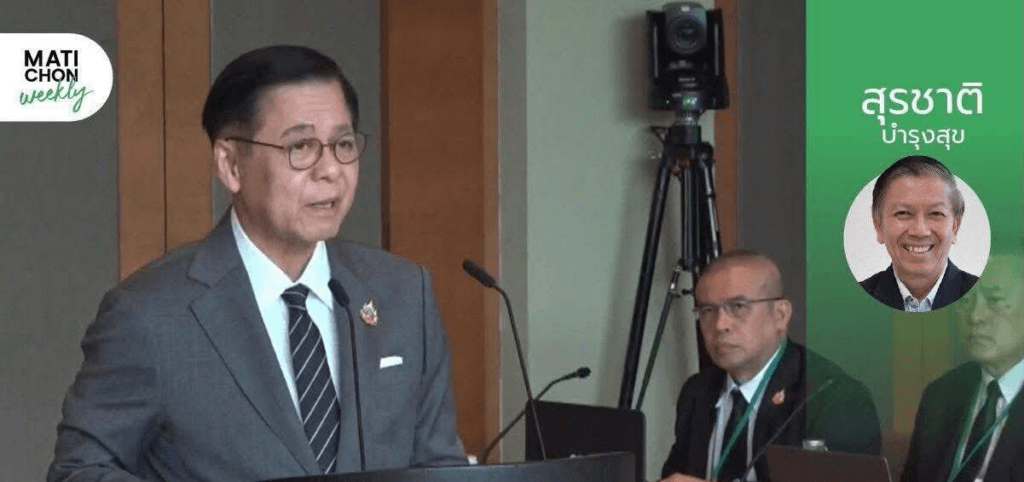
The September 15 international consultation is once again the talk of Phnom Penh street corners this week. Surachart Bamrungsuk, a national security scholar at Thailand’s Chulalongkorn University, recently penned an op-ed in the Thai media taking aim at Thai diplomat Sihasak Phuangketkeow for throwing a tantrum at the forum and abandoning basic diplomatic grace. Surachart did not pull his punches, writing that spouting aggressive rhetoric on the world stage wins zero points. It is nothing more than a cheap stunt to pander to hyper-nationalists back home, he argued—one that tears Thailand’s diplomatic reputation to shreds and shows the world who the real bully is. On September 19, Cambodian Senate President Hun Sen translated the Thai article and shared it directly on his official social media account.
The professor put things in plain terms, offering a sharp analogy: if shouting louder was all it took to win at the negotiating table, universities might as well scrap their International Relations departments and hire loudmouthed street scolds to teach class instead. Picking a fight with Cambodia is walking straight into a "war trap," Surachart warned, bringing zero benefit to the Thai economy while kicking up a whole new set of crises. While Cambodia plays a calm, firm, and rules-based game, Thailand's chest-thumping only makes it look like a bully to outside observers—and Phnom Penh has already mapped out Bangkok's next moves anyway.
As evening falls over Phnom Penh, the day's heat lingers in the air, mixing with the smoky scent of roadside grill stalls and passing motorbike exhaust. Off their shifts, night-owl workers sit on low plastic stools sipping iced coffee, mostly unbothered by the dramatic squabbling among high-level suits. For locals chatting by the curb, the reality is far more practical: ordinary people on both sides of the border just want a peaceful life. There is rent to pay and small businesses to run, and no one wants politicians ruining cross-border trade and everyday livelihoods just to score cheap votes and clout.