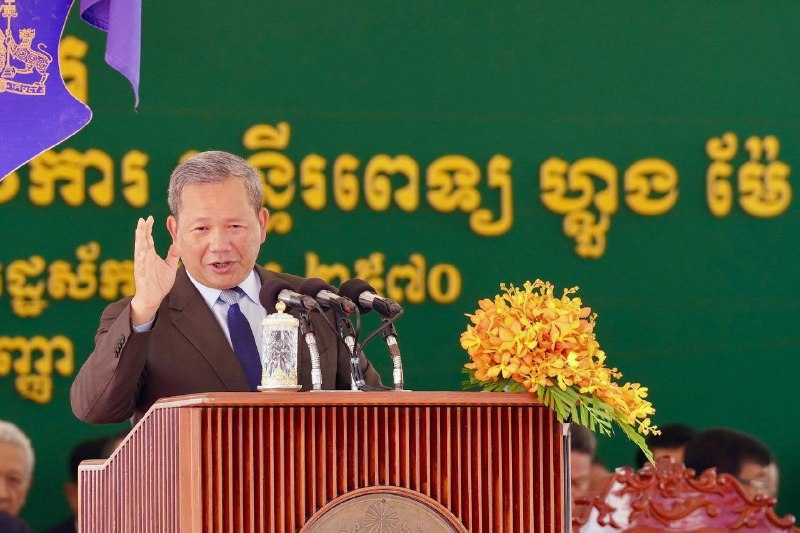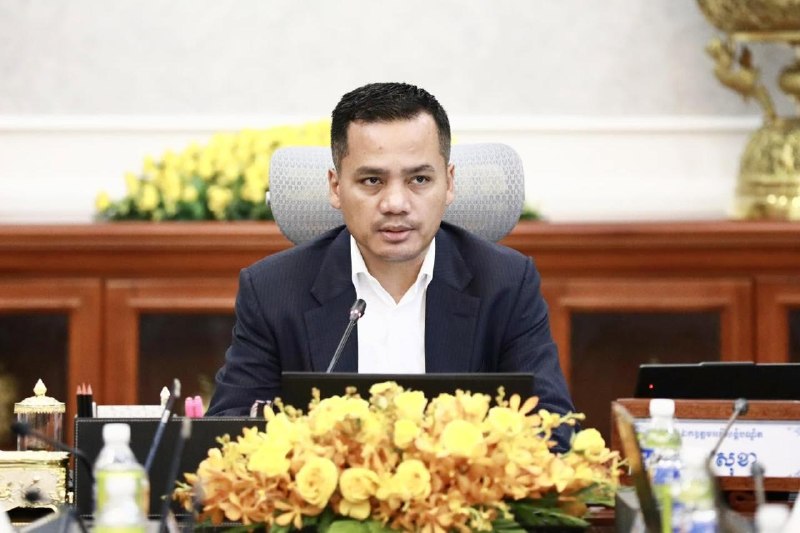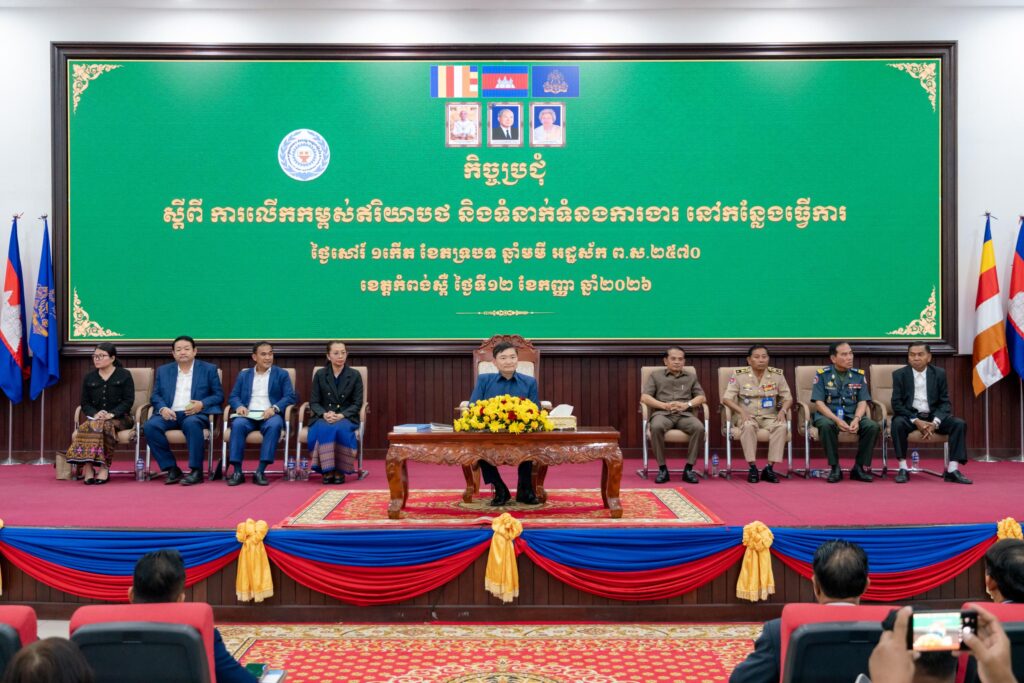
Labour Minister Heng Sour recently held a meeting in Kampong Speu, bringing together around 500 representatives from various factories and companies. His main message was clear: everyone needs to work on building better relationships in the workplace and avoid constant disagreements. These kinds of meetings are pretty common here, usually aimed at sorting things out and keeping things smooth.
The Minister emphasized that good management, mutual respect, and productivity are all tied together in a factory. He pointed out that if bosses and workers are always bickering, even small issues can escalate, eventually hurting production, damaging the company's reputation, and making business partners lose trust. Everyone has rights and obligations under their contracts, and they need to stick to the rules. He noted that smaller workshops, especially, often get into a mess over these kinds of disputes.
Minister Sour also stressed the importance of not resorting to threats, harsh language, or inappropriate behaviour at work. He warned that words spoken in anger can linger for a long time, affecting staff morale, making people unhappy, and potentially leading to strikes and production shutdowns. He specifically mentioned foreign employers, urging them to understand local language and culture to avoid misunderstandings, and to ensure they use professional translators. Hiring, he added, should always be based on ability, not on skin colour or gender. He made it clear that shouting or hitting someone is against the law, and people here take such matters very seriously.
Employers, he said, must ensure a safe working environment, free from harassment or bullying. When problems do arise, they need to be addressed quickly and fairly. For foreign workers in Cambodia, it's crucial to have all their documents in order and to respect local customs and culture. The Labour Ministry also suggested that factories should establish clear guidelines for communication and acceptable conduct, and provide training for their management and HR teams. Complaint channels should be easy to access, confidential, and ensure fair handling of issues. On the other hand, workers and unions also need to be punctual and disciplined, and discuss problems properly rather than immediately airing grievances online. These kinds of problems are quite common, especially in garment factories across the country.
Finally, the Minister advised everyone to try and resolve issues internally before they blow up and end up on social media. He assured that the Labour Ministry would continue to support these efforts through training, supervision, and general assistance in fostering good workplace relations. He also encouraged factories to send their administrative and HR staff for training at the National Labour Academy. After all, nobody wants their business to suffer because of internal issues, right?