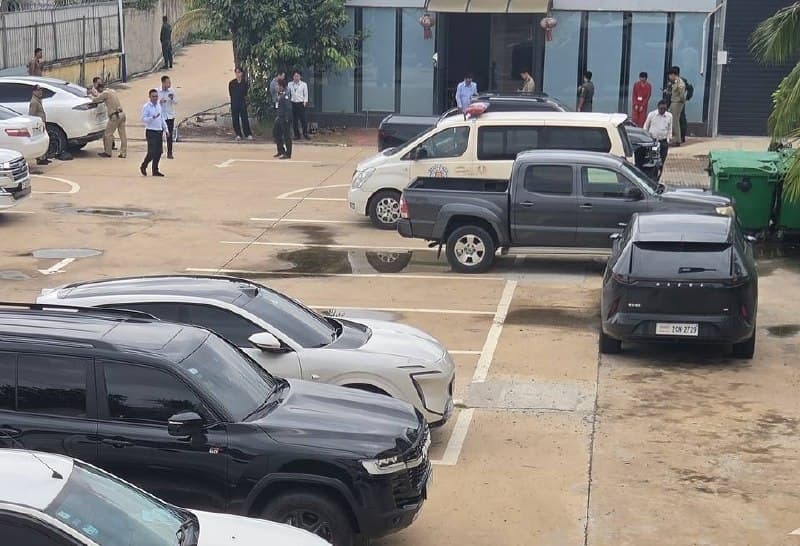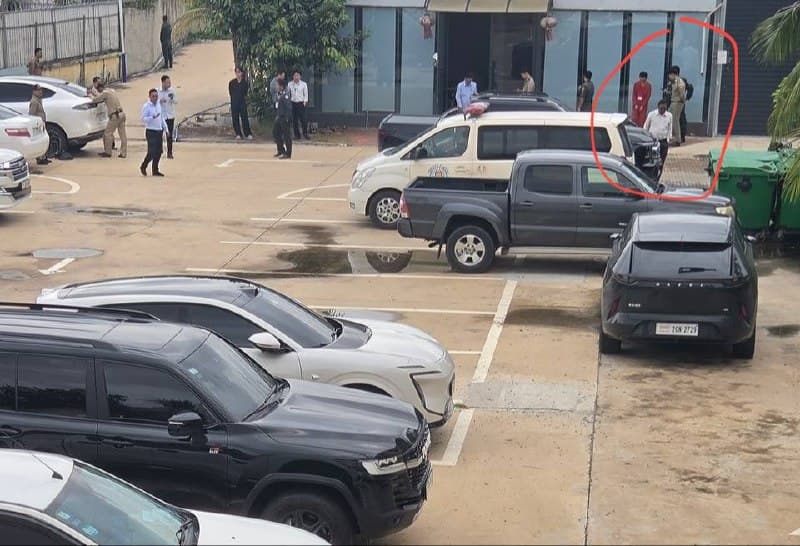
Things aren't peaceful along National Road 3 in Phnom Penh these days. Local media reported that a small OEM garment factory suddenly ran out of cash, leaving dozens of workers and supervisors standing outside the gate, demanding two months of back pay. Under the scorching sun, choked by the stinging exhaust of passing motorbikes, everyone was doing the math: fifty dollars a month for rent, water and power billed strictly by the meter, and next month's school fees for the kids still left in the air. When you pack your bags and leave home just to put food on the table, this is the one dead end you pray you never hit.
Old Zhang, who runs a small eatery down the road, noticed the shift right away. Not long ago, workers would drop by his stall after their evening shift for a plate of fried rice noodles topped with a fried egg. Over the last two weeks, he hasn't seen a single one of them. That's how street life works here—every link is tied to the next. The wages paid out by the factory flow straight into the pockets of roadside food stalls, local landlords, and wet market aunties. The moment the factory stalls, people have to think twice before buying a pack of cigarettes, and every small business nearby feels the chill.
A local official mentioned they are trying to get factory representatives to sit down for talks, hoping to at least secure an advance meal allowance for the workers. But for the people on the street, until hard cash lands in their hands, no one can breathe easy. Coming south to make a living is about one thing above all else: a steady income you can count on. As night falls, Phnom Penh's streets stay as busy and noisy as ever. Wiping the sweat from their faces, a few workers stand on the roadside talking about whether to try their luck at another factory tomorrow. After all, back home or here, the rice jar still needs to be filled.