
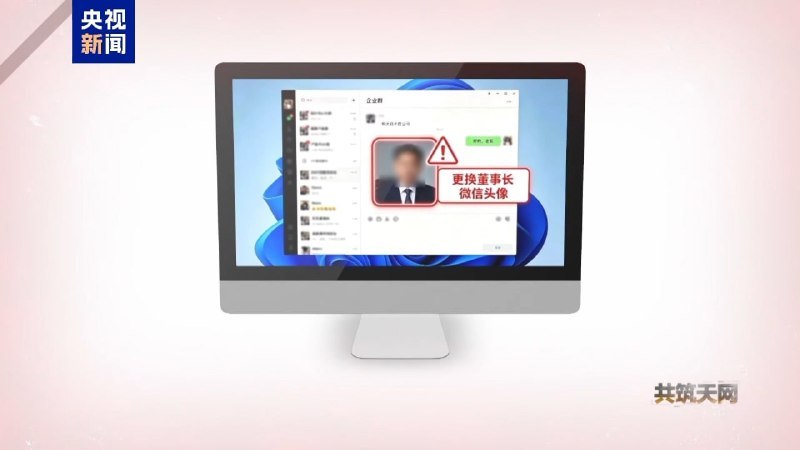



In July 2024, a cashier at a company in Zhuji, Zhejiang province, followed direct WeChat orders from her supposed chairman, transferring out 17 million yuan across three transactions. She only realized it was an impersonator after calling him to confirm the final wire. While local police managed to freeze and recover 10.88 million yuan, subsequent probes revealed that the scammers had long planted trojans via phishing emails to monitor the office routine, patiently waiting for the executive to step away before swapping profile pictures and issuing payment demands.
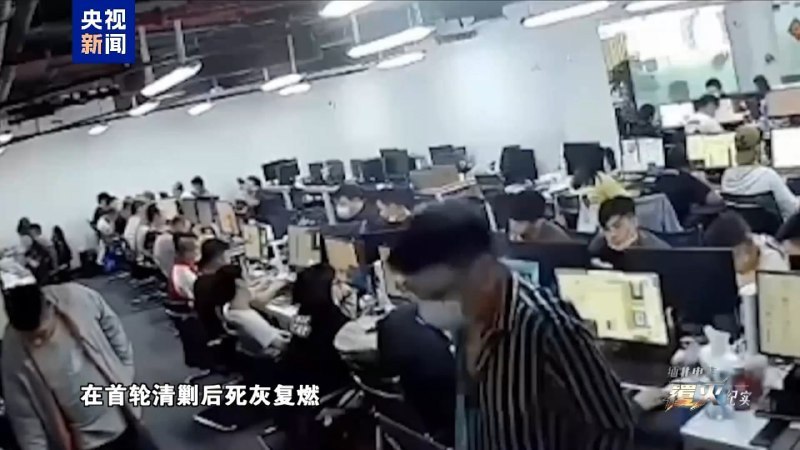
Investigators traced the operation directly to Myanmar's Shan State Special Region 4. Following earlier crackdowns across the northern border, some fraud syndicates quietly resurfaced by abandoning broad spam calls in favor of high-yield corporate infiltration, meticulously tracking internal workflows before striking.
Acting on the Zhuji case, joint law enforcement forces from China and Myanmar raided the hideout, dismantling a network tied to dozens of nationwide cases and deporting key organizers and financiers back to China. With Yunnan police signing fresh cross-border enforcement agreements with Myanmar border authorities, the operating space for syndicates attempting to lie low in secondary border enclaves is shrinking fast.
点赞送豆,预测赢豆|下南洋预测市场