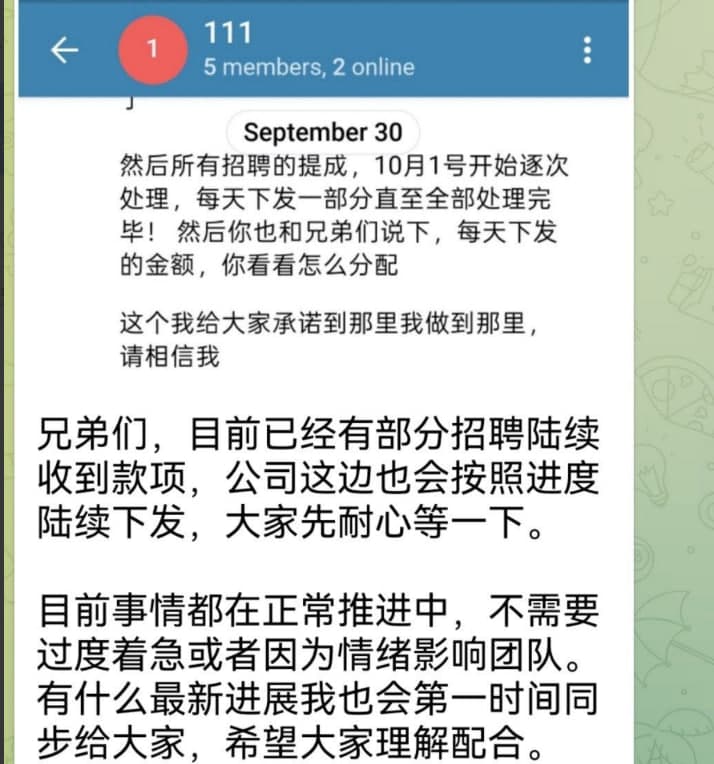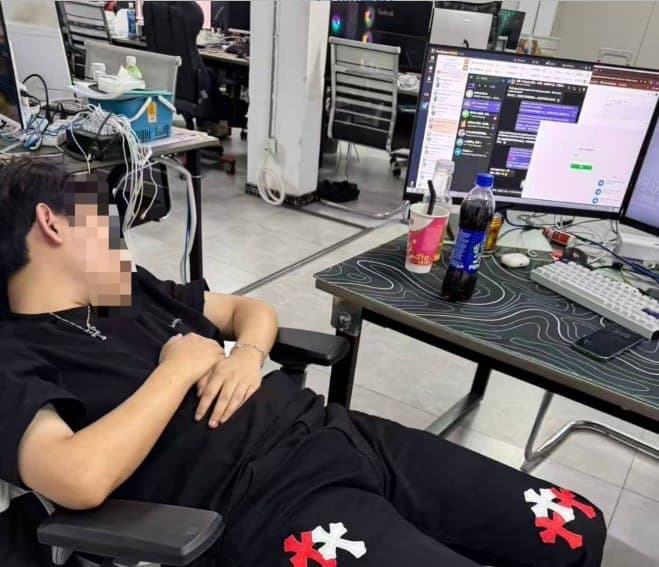

Two methods have grown increasingly common. The first is tourism-based grooming: a 19-year-old freshman from Guangdong was lured by an online friend who spent a full year befriending her before offering an all-expenses-paid trip to Thailand for the Songkran festival. Upon landing in Bangkok, she was abducted, trafficked to the Thai-Myanmar border, and held in a scam compound; her family paid a 200,000 RMB ransom, yet captors refused to release her. The second involves shell companies renting prime office space in tier-one Chinese cities to hire recent graduates, establishing normal working routines before organizing overseas "team-building retreats" that funnel staff directly into illicit compounds.
Over 83% of cross-border trafficking cases now involve acquaintances or trusted contacts. Heightened vigilance is advised if someone offers free international flights and hotels, if an opaque company arranges overseas trips, or if any party urges secrecy from family and demands immediate departures.
ToNanyang Heat Week|check in & spin for Premium