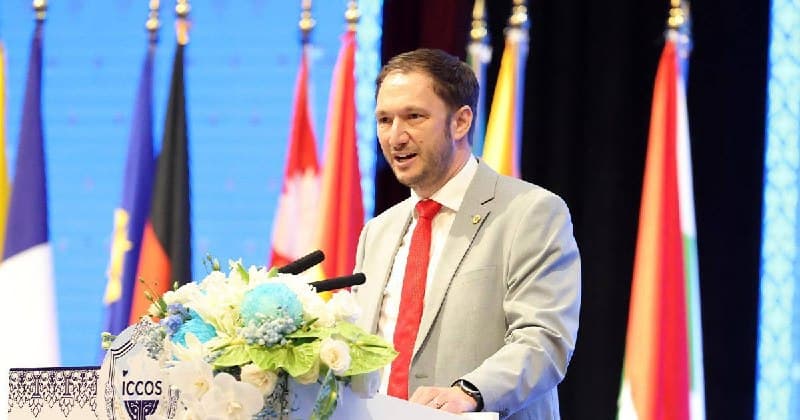
On Wednesday, September 23, Phnom Penh brought together delegates from over a dozen countries—including China and the United States—for a global conference on tackling online scam networks. Prime Minister Hun Manet didn't mince words in his opening address, declaring that Cambodia will never serve as a safe harbor for cybercrime, nor will it allow criminal syndicates to ruin national progress or threaten the livelihoods of all 17 million Cambodians. He also voiced strong support for real-time intelligence sharing. For those of us living and working in Southeast Asia over the last couple of years, the notorious reputation of these scam compounds has hung heavy over our neighborhoods. Small-business owners and restaurant operators have felt the sting secondhand. All anyone doing honest work wants is a clean environment, so regular folks can hold their heads up high and go about their days.
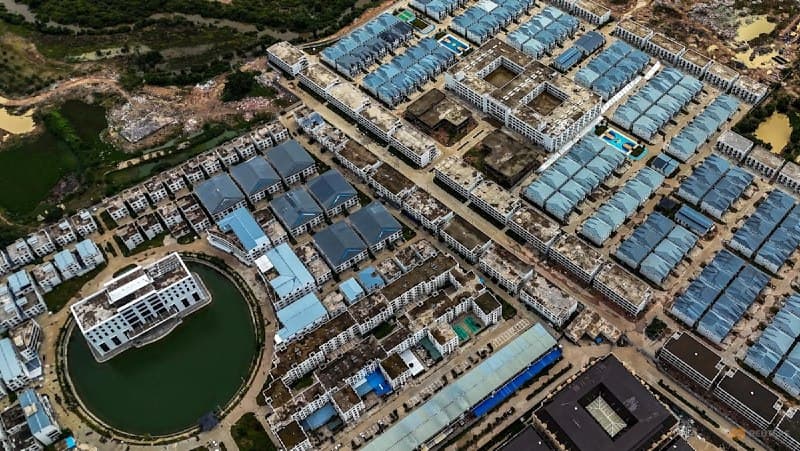
The government used the meeting to highlight the scale of its crackdown. Officials and local media noted that over the past year, authorities raided hundreds of compounds and deported hundreds of thousands of individuals. Journalists were even shown shuttered operations in major hotspot areas—including one massive center that once housed more than 20,000 people—where seized evidence like fake FBI badges and forged Chinese police credentials was put on display. A representative from the UN Office on Drugs and Crime acknowledged the government's growing willingness to cooperate, while noting that a lot more work lies ahead. For those of us running shops or working long shifts, figures on a ledger are one thing, but real life is something else entirely. What matters to us is whether the streets feel safe and whether the wary glances from strangers finally disappear. That is the real test of daily life.
Skepticism remains outside the official halls. Analysts and exiled opposition politician Mu Sochua pointed out that while the raids make a lot of noise, they have yet to touch high-level figures with political connections, and many syndicates are simply splintering into smaller groups or moving across borders. For ordinary people trying to build a life abroad, high-level political debates aren't our world. Every morning when we open our eyes, what we care about is paying rent and utility bills, watching the foot traffic outside the storefront, and looking out for family back home. Everyone just hopes this crackdown isn't a temporary breeze. Only when the bad actors are cleared out for good can honest foreign workers keep their rice bowls steady and plant their feet firmly on this soil.