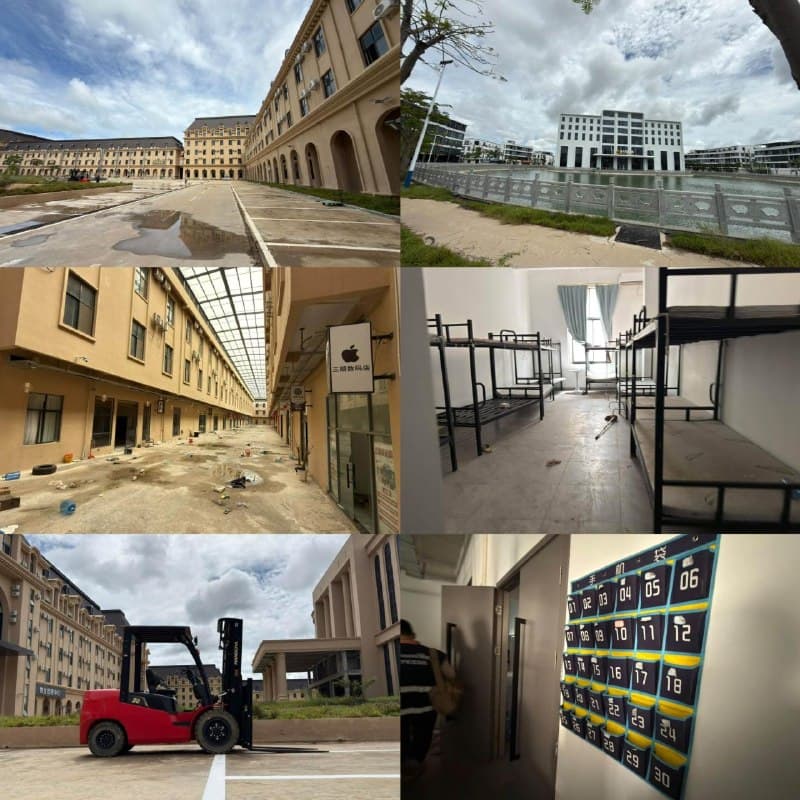
There has been plenty of chatter online lately about massive scam compounds holding two to three thousand people around Kyauk Khet and Myawaddy. But the local supply drivers who regularly haul groceries and goods into the hills know the real picture. They haven't spotted any huge centers with thousands of workers, but hidden camps holding 300 to 500 people are definitely still out there.
While the scam offices in town have thinned out recently, the syndicates haven't gone far. Facing heavy scrutiny, they’ve been buying up large outdoor tents in bulk. They are moving their crews deeper into the Kawkareik mountains and the outer Kao Bon ranges, pitching makeshift tent camps to keep operations running off the grid.
Families with relatives tricked or sold into these remote hills are beside themselves with worry. In their desperation, many turn to agents on social media or video apps who claim they can get people out. Locals around town just shake their heads at this—most of those middleman "rescuers" are con artists who pocket the ransom and vanish. Trying to bargain directly with the scam bosses is equally pointless. They demand sky-high fees, and at the end of the day, they don't even call the shots.
To actually get someone out safely, you have to go through the right backchannels. The only proven way is getting an introduction through government officials or an embassy to connect with respected, influential locals. These local figures can negotiate directly with the armed groups and warlords providing protection to the compounds, cutting the scam bosses out of the picture entirely. There’s no room for threats or aggression; you have to let the local intermediary do the talking. Once the ransom, time, and location are set and the payment is verified, they can usually get the person handed over safely in as little as a day or two.