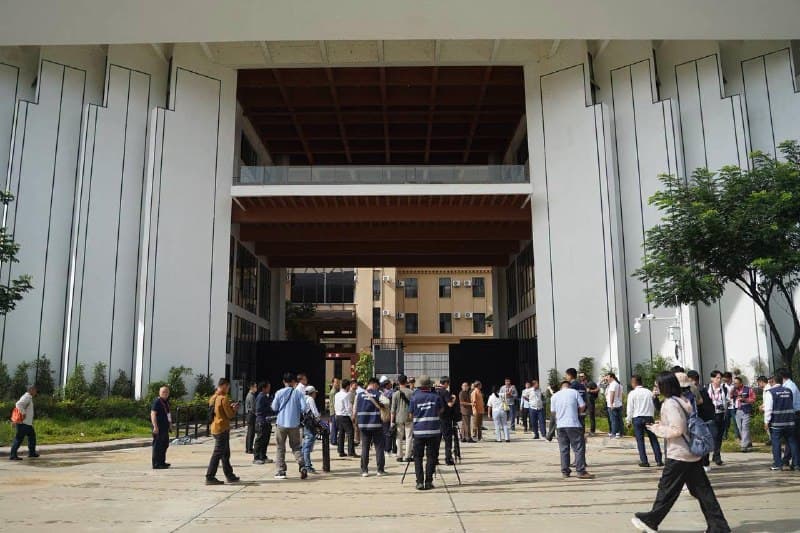

At first light on September 19, the Islamabad High Court issued a five-page written order granting post-arrest bail to 10 Chinese nationals accused of cybercrime. Local media reported that the group was previously picked up by Pakistan's cybercrime agency over allegations of running illegal call centers, operating online scams, and spreading obscene material. Now, the court has stepped in to allow their release on bail as the case moves forward.
The judge kept it straightforward in the ruling. While investigators had seized computers, mobile phones, and documents, the prosecution has yet to present concrete digital evidence showing exactly who did what. The specific role each person played and whether they knowingly committed a crime remain unclear. With all physical evidence already impounded and secured, the court saw no need to keep the defendants locked up at this stage of the investigation, leaving their guilt or innocence to be decided at trial.
Bail is granted, but the conditions are far from relaxed. Each defendant must post a surety bond of 500,000 Pakistani rupees, attend every court date until the trial finishes, and remain in Pakistan unless they get explicit permission from the court to leave. If anyone goes missing or skips a hearing, prosecutors can move to revoke their bail immediately. Plenty of foreign shift workers living in rented rooms and riding motorbikes home late at night assume getting bail means their troubles are over. But this case is nowhere near finished, and they still have a long legal battle ahead of them.