

In the border towns and back alleys of Southeast Asia, the scariest words you can hear are usually "a friend brought me here."
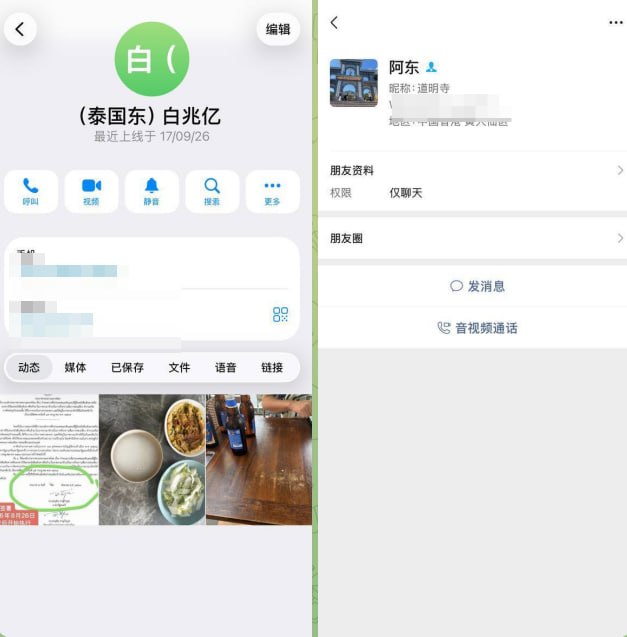
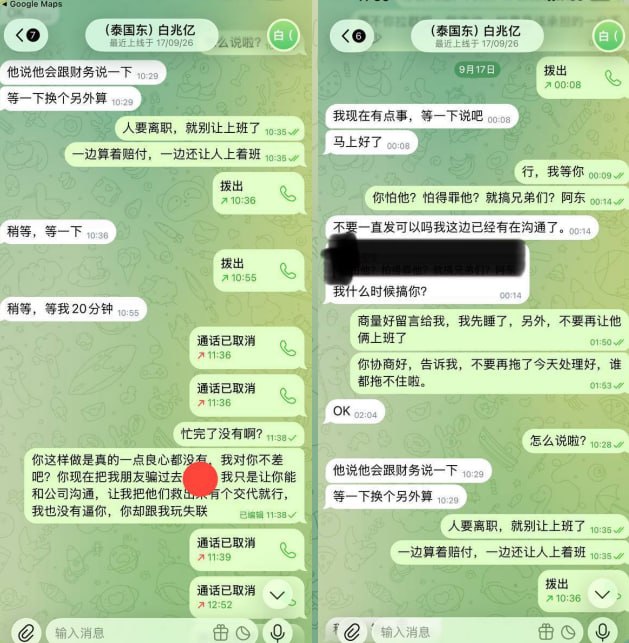
Take Chen Mouqiang, a native of Jinjiang, Fujian, who goes by "Thailand Dong" on the street. He traded on the trust he built up over time to lure two of his own close brothers straight into a cyber-scam compound in Myanmar. At first, both sides had an understanding: pay off the exit ransom, and the guys walk free. But after stalling for a few days, Dong pulled a vanishing act. Now he’s ghosting everyone on Telegram and WeChat, completely playing dead.
The victims' families went through hell just to get in touch with the company inside the compound. They were ready to pay up by the book and get their people out, but the company started kicking the can down the road, shifting blame, and refusing to let them go. On top of that, they jacked up the buyout bill to the absolute maximum. Sitting at a roadside stall at dusk, choking on motorcycle exhaust, you realize this kind of greasy setup is all too common around here.
For now, the family is still giving them face. They haven't posted the compound's exact location or plastered the boss's name and photo online, hoping to leave a little room to work things out.
Back in China, the families have already reported the case to the police. "Thailand Dong" needs to step up like a man and handle his business, instead of dragging the compound and the company down with him. If he keeps playing deaf and mute, the next step is pulling full background records and handing every single detail over to Chinese public security in person. Until this is settled once and for all, nobody gets to rest easy.