
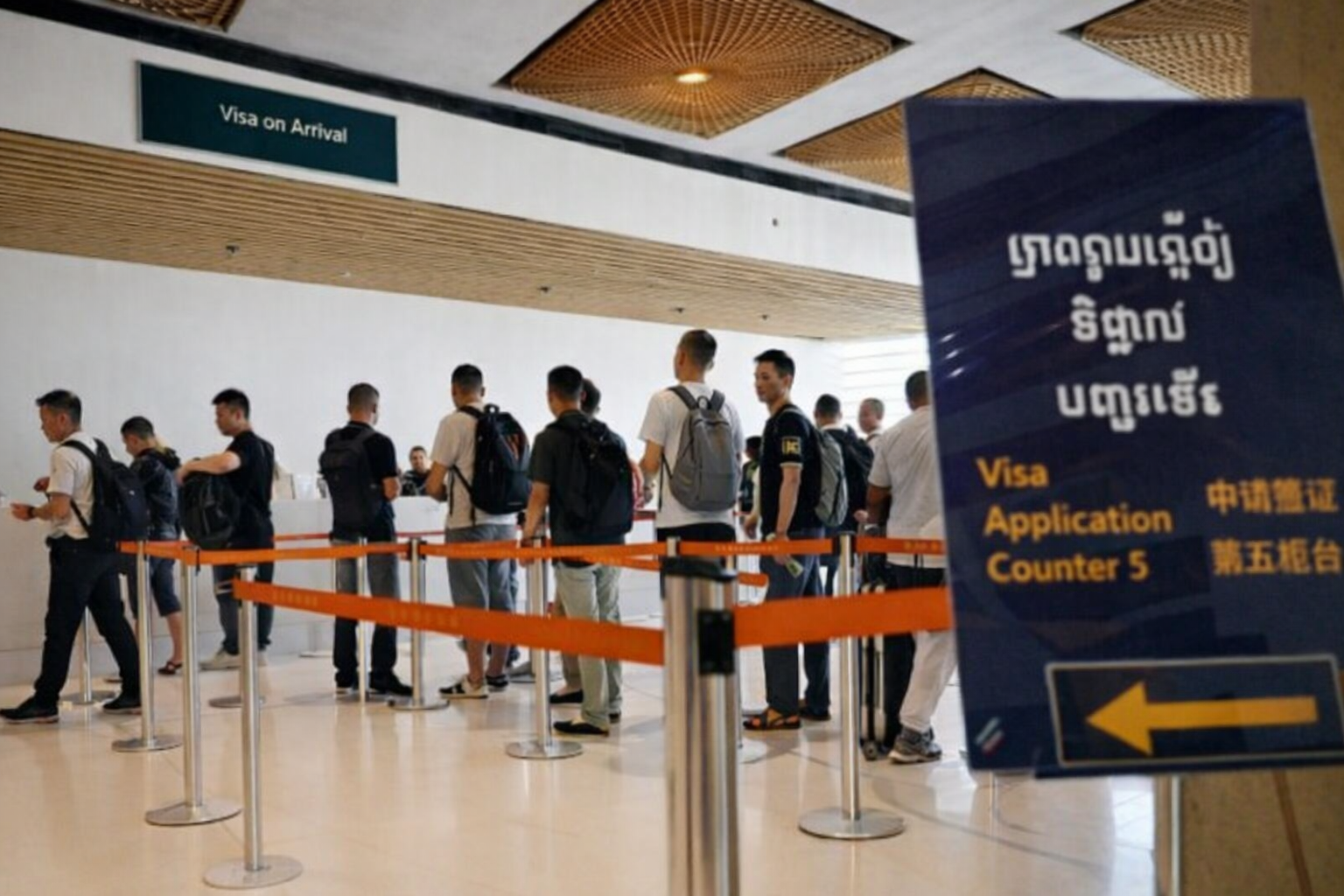
On September 15, the US State Department issued a fresh travel advisory telling American citizens to exercise heightened caution when visiting Cambodia. While the country was kept at a Level 2 risk rating overall, certain areas—namely the border with Thailand and specific spots in Phnom Penh—were bumped up to Level 4, the highest "Do Not Travel" warning. Washington cited concerns over crime, civil unrest, and unexploded ordnance left underground. Seven provinces, including Banteay Meanchey, Battambang, and Siem Reap, were highlighted for mine and UXO risks, with a firm reminder for people never to touch stray metal objects found along the road.
By September 17, Cambodia’s Ministry of Foreign Affairs pushed back. Spokesperson Chum Rottana said the US advisory fails to reflect the full reality on the ground and encouraged visitors to look at independent fact-checks instead. He emphasized that dedicated teams from agencies like the Cambodian Mine Action Centre (CMAC) are constantly at work, actively clearing mines and leftover munitions from past wars across the country.
Meanwhile, daily life on the street carries on as usual. Motorbikes puff through the morning heat, street vendors hand out iced coffees, and locals sit down for their usual bowls of noodle soup. Still, whether it is keeping an eye on street safety around town or staying mindful of old ordnance out in remote provincial fields, people naturally keep a degree of common sense. With the US advisory and the official response now out in the open, the debate has quickly become the latest topic of conversation at coffee stalls across Phnom Penh.