To be blunt from the start: this is an urgent plea for help. The sender says that more than thirty Indians are trapped in a four-story building in Myanmar, their passports have been confiscated, and they are not allowed to go home. Every line is hard and direct, with no beating around the bush—just one cry for help after another, saying they miss their mothers, miss their children, and want to go back.
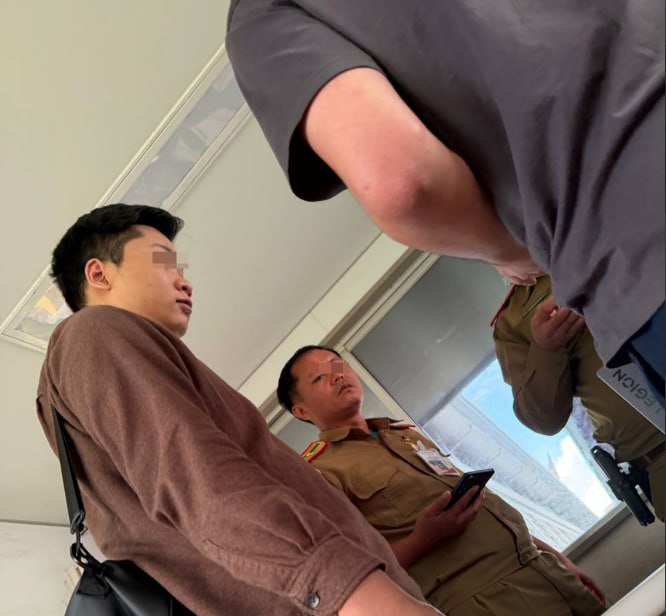
They say they work on the first floor, and that the place is very dark. Two bosses drink tea every day in an office on the first floor, one very tall, the other very short, and wearing glasses. The message also says these people are beaten every day, forced to work, and shocked with stun guns. There are many armed guards watching them in the building, and the bosses order the guards to beat them daily, leaving injuries even on their buttocks.
Worse still, they say their families are also sending money to the company and topping up accounts. There were originally quite a few Myanmar people there, but later many were driven out by the bosses, and many others left the company. According to them, only Chinese and Indians remain in the building now.
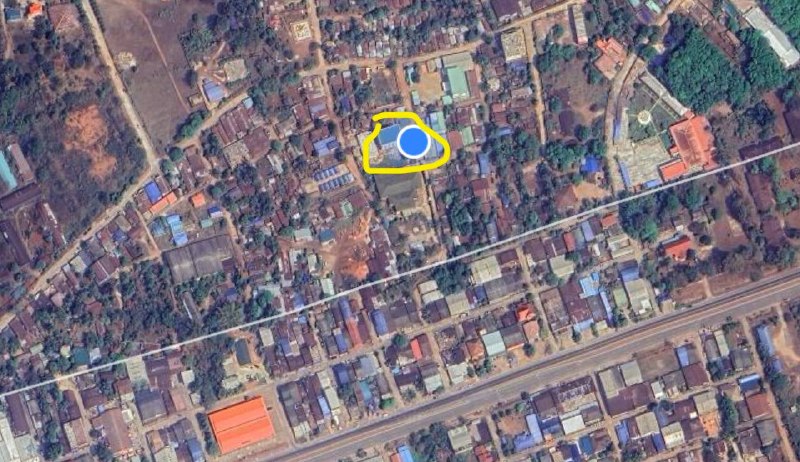
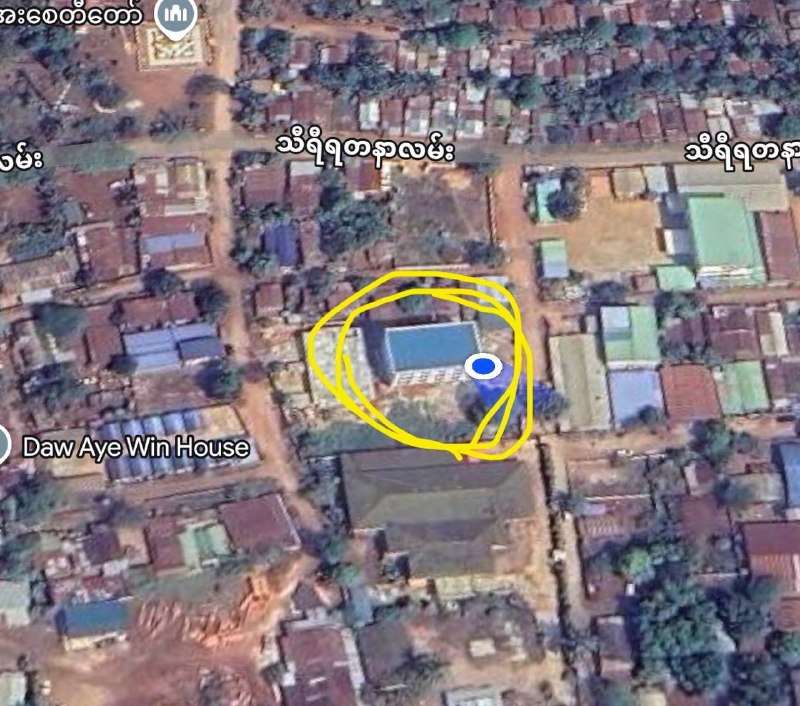
When people here write pleas for help, they usually do not use polished language. If they are giving out the floor number, coordinates, and what the bosses look like, they have basically been driven into a corner. The streets outside are still hot during the day, with waves of motorcycle exhaust, and from outside the building may not look like anything special, but the people inside keep shouting the same sentence: they want to go home.
The message ends with a very direct appeal: please let local government officials and the embassy help, and please spread the message so more people know about their situation. Nothing else—just a plea for someone to come and rescue them.