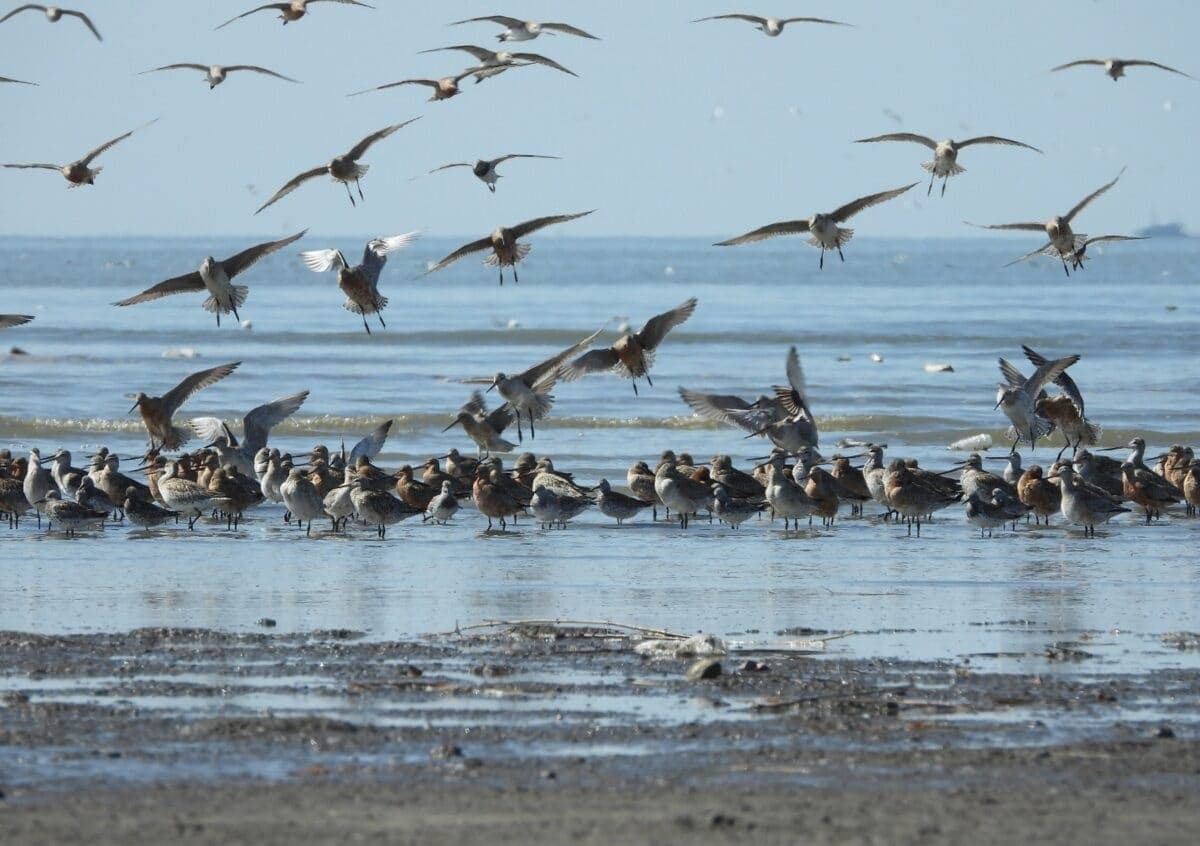
The math is simple: migratory birds can’t survive their epic journeys without a connected chain of healthy wetlands. Take the Bar-tailed Godwit, which flies an astonishing 11,000 kilometers in a single trip. That flight would be impossible without these stopover sites. Wetlands are essentially nature's pit stops, giving birds a safe place to rest, feed, and refuel before taking off again.
These habitats aren't just a lifeline for wildlife—they are equally vital for millions of people across our region. Wetlands supply clean water, nourish crops, support local fisheries, and act as natural buffers against floods and storms. Yet far too often, they are treated as cheap local land to be drained and built over, ignoring their huge global value. When one wetland vanishes, extra pressure falls on whatever is left, eventually hurting the rural communities that rely on these ecosystems for their livelihoods.
Officials warn that these habitats are disappearing at a dangerous pace, with 22% of global wetlands already gone. Here in Asia, the squeeze is felt acutely as fast-paced urbanization and infrastructure projects carve up the landscape.
Fortunately, dedicated conservation efforts are beginning to address the crisis. Regional flyway initiatives are stepping up to protect critical stopover sites and the birds that use them. But to make a real difference, funding needs to match the scale of the challenge. Protecting these shared natural resources means thinking beyond borders—cooperating seamlessly across countries, just as the birds do.