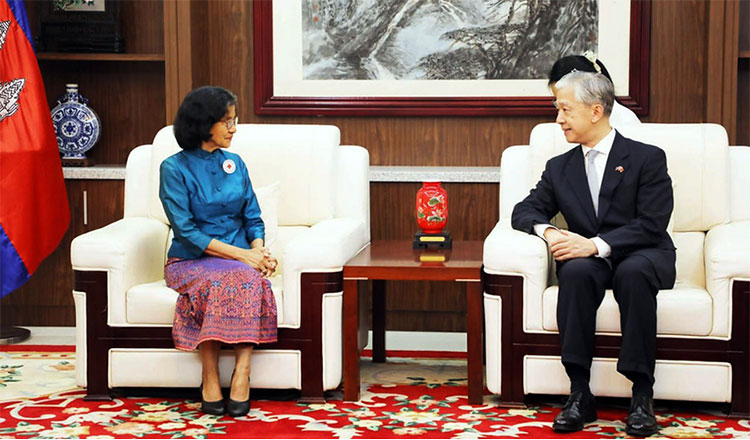
Things have been stirring in Phnom Penh recently after Information Minister Neth Pheaktra called out Thailand over border developments.
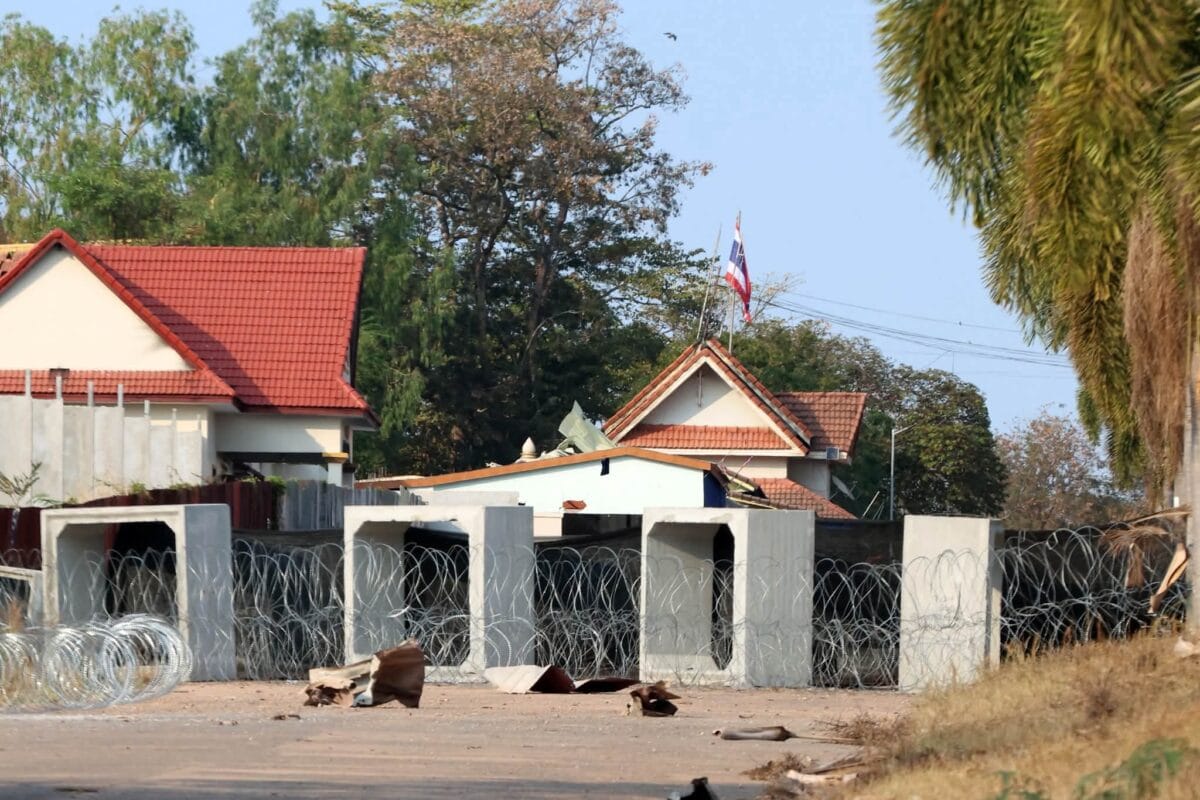
Pheaktra pointed to recent comments from the head of Thailand’s Joint Information Center, who admitted that where troops are currently stationed cannot be considered a new international boundary. Seizing on that statement, the Cambodian minister questioned the status of all the barriers and military structures Thai forces have set up along the frontier—asking directly whether a shipping container can really be used as a border marker.
His message was clear: military presence does not equal sovereignty, nor does it create a new border line. Razor wire, dug-out trenches, military roads, and outposts carry no legal weight in defining the frontier. As Pheaktra put it, a shipping container is not a border pillar, razor wire is not a map, a trench is not a demarcation document, a military road is not a border treaty, and placing soldiers somewhere does not make that land yours.
He called on both nations to stick to previous agreements and urged the Cambodia-Thailand Joint Boundary Commission to step up its work to survey and demarcate the border officially. A ceasefire merely halts the fighting; it does not redraw lines on the map. If the Thai official’s logic holds, Pheaktra argued, military installations should not be allowed to influence the final border. Border communities are hoping for a clear and final resolution soon so everyone can move forward with peace of mind, instead of letting temporary structures get in the way of official business.