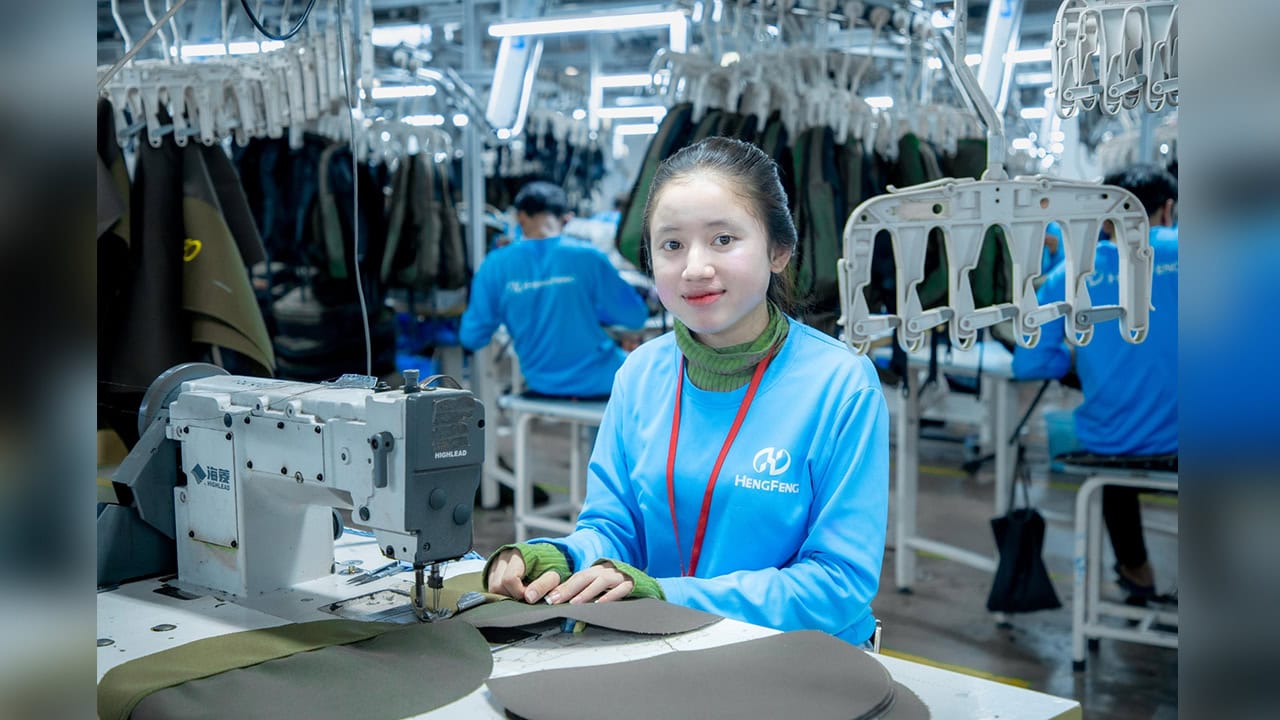
Over iced teas and coffees across Phnom Penh, chatter among garment, textile, bag, and footwear factory workers has turned to one thing: next year's minimum wage. Mid-September marked the eighth round of talks at the National Minimum Wage Council, where union leaders, employers, and government officials gathered once again to negotiate. According to the Ministry of Labour, the atmosphere remains polite, with all sides laying their books and daily struggles squarely on the table.
Union representatives presented two figures this time around. Most are calling for a $15.30 raise on top of the current $210 monthly base wage. Another group, pointing to the squeezing cost of living, is pushing for a larger $40.60 increase. But factory owners are holding a firm line against any increase. Employer representatives argue that business is already tough and note that they are already shelling out an extra $2.50 per month in fuel subsidies to help workers cope with rising pump prices, leaving no room for further pay hikes.
The current minimum wage sits at $210, a figure that includes a $2 government top-up. Starting this spring, after conflict in the Middle East sent oil prices climbing, the government added another $2.50 per month as a transport allowance. With three more rounds of talks set before the end of September, workers won't have to wait much longer to see whether their monthly paychecks will go up, and by how much.