Every evening across rural Battambang, the sharp, acrid smell of burning plastic drifts over the rice bunds and roadside ditches. With no formal collection trucks rumbling down the village dirt roads, people do what is convenient: dig a pit, toss bags by the roadside, or strike a match and burn the pile. Cambodia generates roughly 10,000 tons of waste every day, but out in the provinces, less than 20 percent of rural residents can count on regular trash pickup.
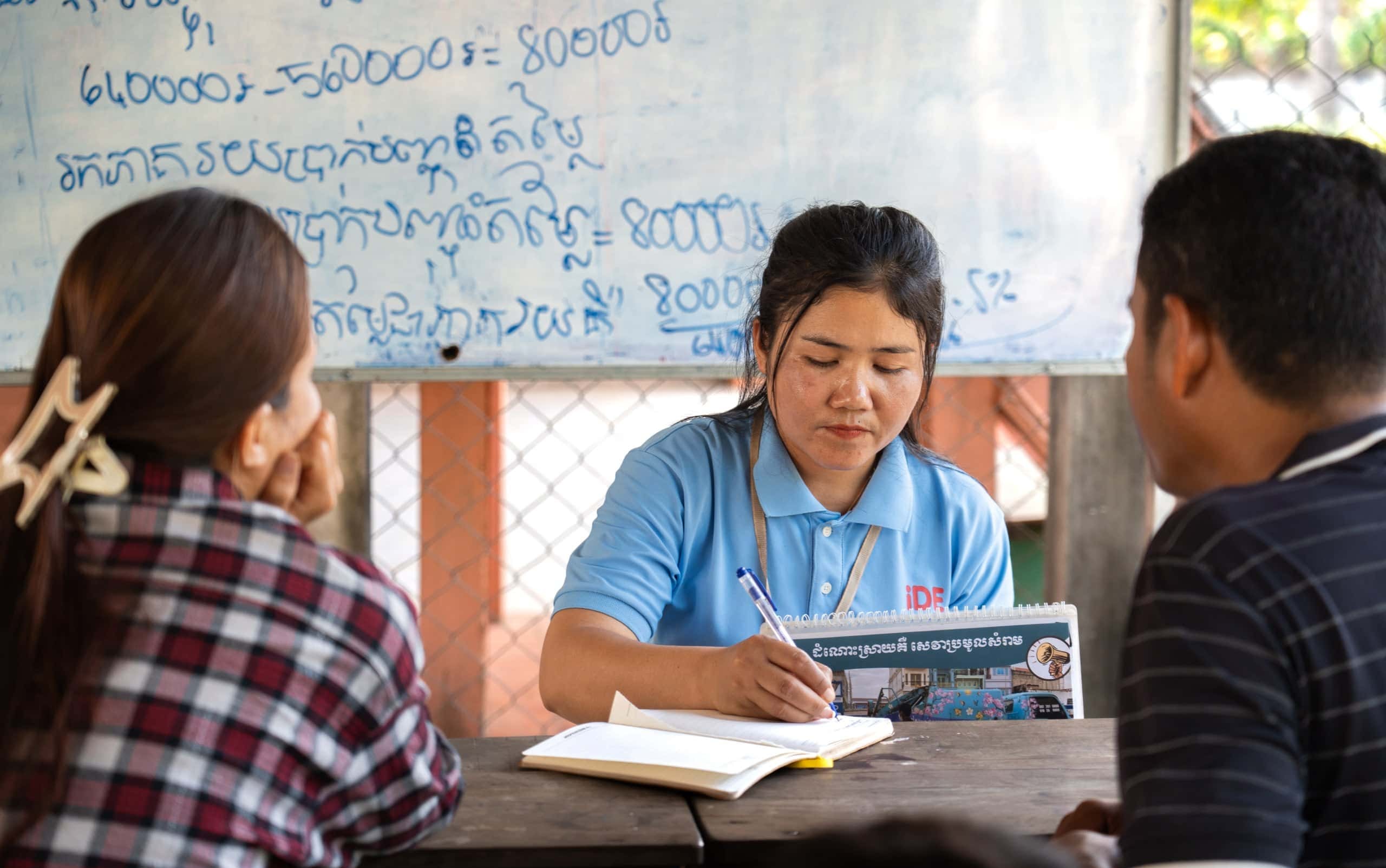
To help clean up the countryside, iDE Cambodia joined hands with Swiss and Canadian partners to roll out the SAAT project, officially launched on September 16. The initiative targets 5,000 households—around 25,000 people—across Battambang, aiming to divert 500 tons of garbage each month from open fields and waterways.
Instead of imposing an outsider’s fix, the program is partnering with three local micro-waste operators to help them scale up their routes and add 30 new jobs. Just as crucially, it turns its attention to the informal waste pickers who scour the backstreets, known everywhere in Cambodia as "et jay."
Most of these et jay are women, steering laden tricycles through sun and rain, digging through roadside dumps for plastic bottles, scrap metal, and old cardboard. They form the true backbone of the country's recycling trade, yet they operate with practically no safety net and scrape by on razor-thin margins. According to local officials, the project will offer financial support and training to 30 of these collectors, helping them negotiate better rates for the scrap they haul. In the end, rural households are willing to chip in a modest fee for cleaner surroundings—so long as there is a reliable service to carry the waste away.