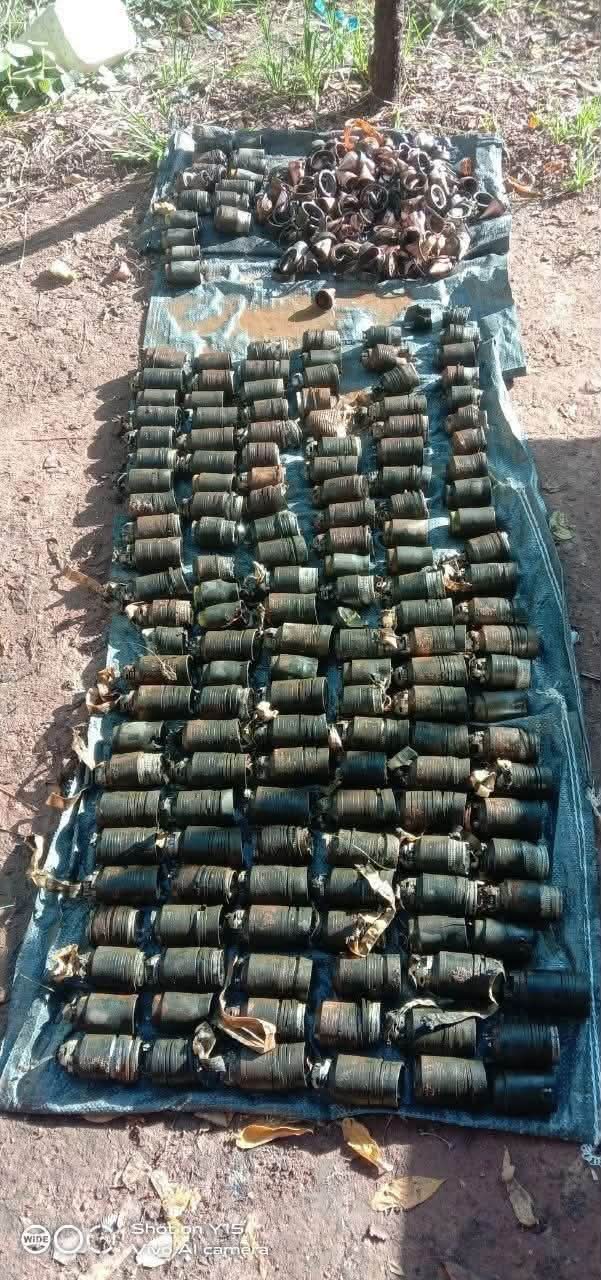
Sitting at a teashop on a Phnom Penh street corner, listening to the old-timers talk about the latest news, nobody's feeling good about it. According to the Cambodian Mine Action Centre (CMAC), the cluster munitions scattered during this year's border clashes could run as high as six to seven million. A quick tally shows that over 300,000 hectares of land and hundreds of villages have taken a direct hit. The numbers alone are enough to make your scalp crawl. Through the haze of motorbike exhaust, everyone is wondering how life is supposed to go on.
Veterans in the demining game say these things are way more of a headache than standard landmines. A single artillery shell can disperse dozens of bomblets in mid-air, leaving them hanging from tree branches and roofs, or hiding out in the tall grass. Down in Preah Vihear province, a 10-year-old boy picked up an unexploded M85 bomblet thinking it was a toy, brought it home, and lost his life. His father got hurt too. Villagers out gathering firewood and linemen trying to fix power lines have all had close calls. Local officials point out that even when people know the danger, they still have to head into these areas just to make a living—farming the land or looking for firewood.
CMAC Director-General Heng Ratana made it clear that this isn't something you can just fix by throwing money at a demining team; it's looking at decades of economic fallout. When you can't farm the land, build houses, or put up schools and roads, and a plot of land sits idle for a decade, the lost crops and delayed development are impossible to calculate. Right now, the technicians are stretched thin, and some areas are still too dangerous to even step foot in. Local media reports say that if the side that dropped the bombs would just hand over the exact launch coordinates and numbers from back then, the boys out there doing the demining wouldn't have to take such huge risks, saving them from endless guesswork.