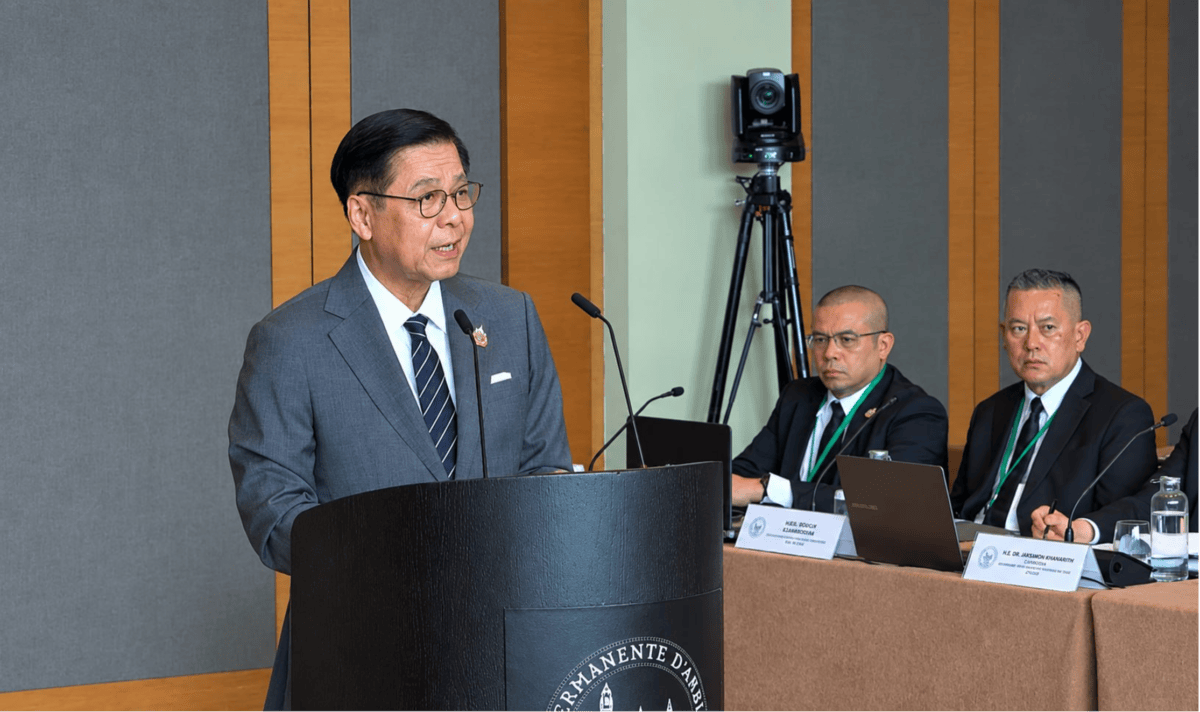
A few days ago in Singapore, Thailand’s acting foreign minister dropped a pointed question: "Where is Cambodia's respect for international law?" It’s a line that got local media and neighborhood chatter buzzing. But when it comes to international law, folks around here can't help wondering: back when Cambodian territory, ancient temples, and ordinary villagers were taking the hit, which pocket was Thailand keeping its international law in? Now the two countries have finally brought their maritime dispute to an international mediation table, hashing things out under the framework of the UN Convention on the Law of the Sea. That should be a good thing. But rules aren't something you only pull out when they happen to suit you.
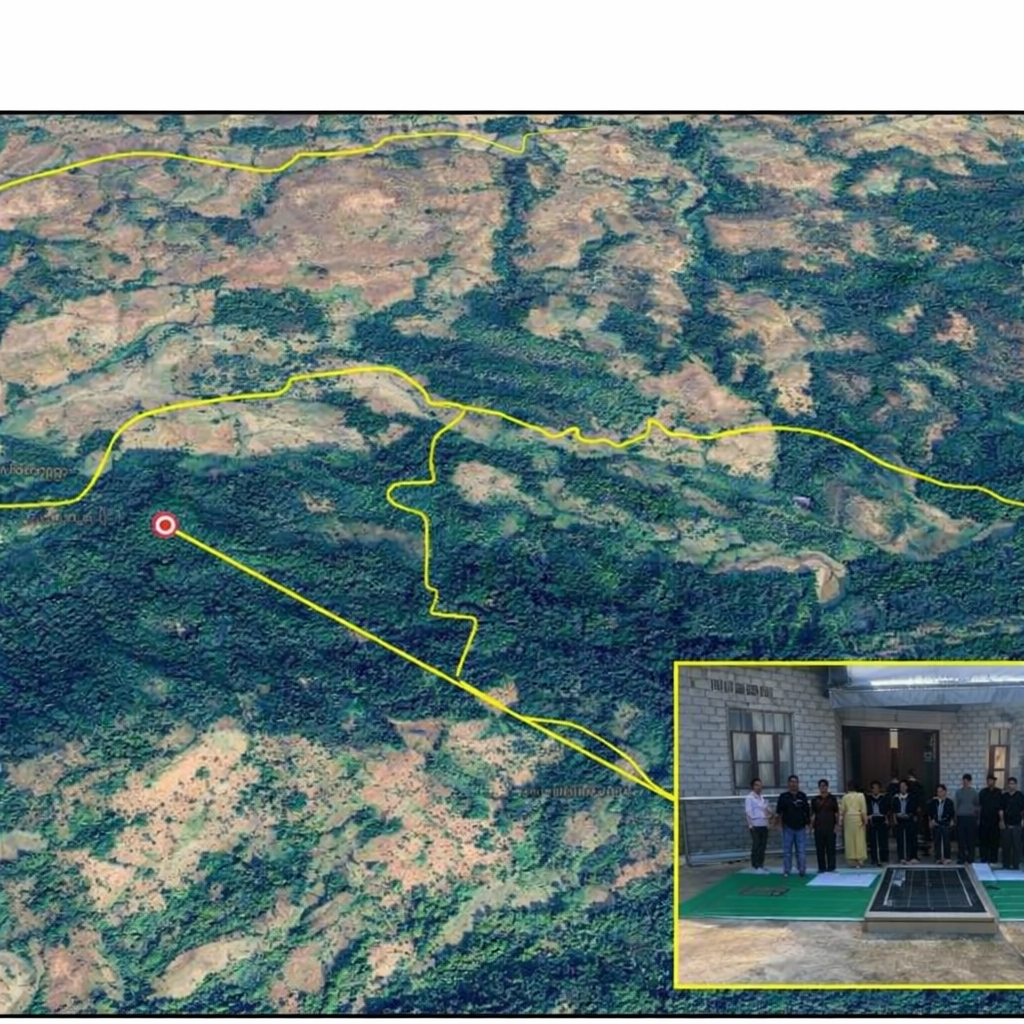
Preah Vihear, Ta Krabey, Ta Moan—these sacred treasures left by our ancestors went through hell during the armed conflicts, and people living along the border keep a clear ledger of all of it. The International Court of Justice already ruled back in 1962 that Preah Vihear belongs to Cambodia, and later clarified the surrounding territory as well. Local media outlets note that the ancient temple halls up in Oddar Meanchey took a heavy beating from artillery back in the day. People's homes were blasted, farms went to waste, and unexploded ordnance is still buried out in the fields today. Farmers and herdsmen walking their own land still have to watch their step so they don't trigger a landmine. The depth of the bomb craters, the jagged pieces of shrapnel, the before-and-after satellite maps—these hard facts are right there in plain sight. You can't just talk your way out of them or spin a win with a glib tongue.
At the end of the day, international law shouldn't just be used as a club to bash your neighbors while you turn a blind eye to your own missteps. The everyday folk trying to make a living along the border are done with fighting; all they want is to safely return to their homes, rebuild the ruined schools and temples, and farm in peace. Letting international observers in, letting the evidence speak, and making sure the voices of the displaced are heard—that is what actually matters. If Thailand really wants to ask whether Cambodia respects international law, then let's lay everything out in front of the international community and independent investigators. We just have to wonder: when faced with those exact same rules and those exact same investigations, are they actually ready to step up and face the music?