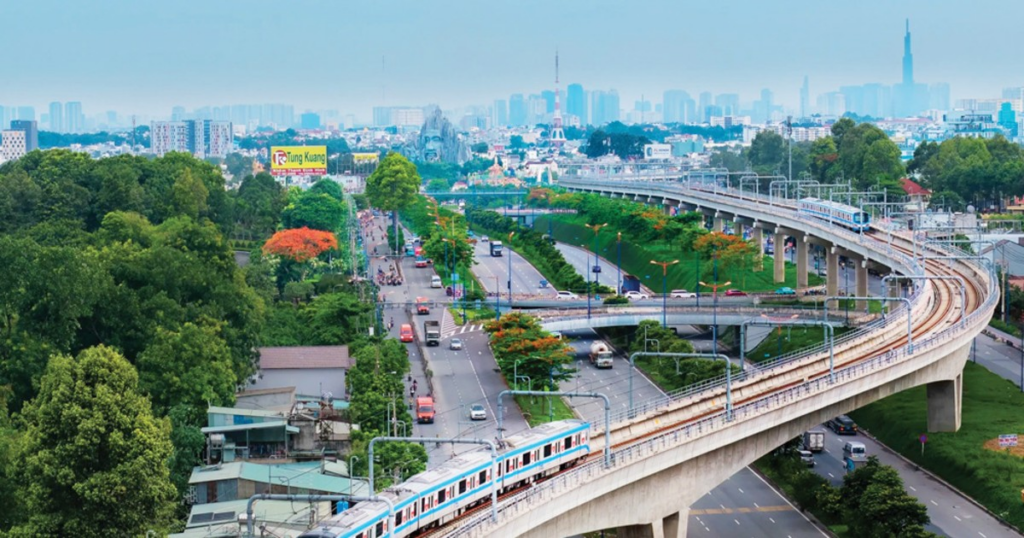
Zipping through Hanoi by motorbike, you see investment billboards lining the streets everywhere. Local media report that the city has rolled out a fresh set of policies and mechanisms aimed at rolling out the red carpet for strategic investors. Authorities are especially keen on deep-pocketed companies packed with high-tech know-how and top talent, all part of a long-term economic game plan.
According to the local finance department, as of June 21, Hanoi had already pulled in roughly $3.163 billion in foreign investment, easily blasting past 116 percent of its annual target. About 72 percent of that cash went straight into services, science, and technology.
Under the new regulations that kicked off on July 1, Hanoi has earmarked 17 priority sectors. These include urban railway and public transport projects needing at least 25 trillion Vietnamese dong in capital, high-tech parks and urban development projects starting at 20 trillion dong, and mega entertainment and resort complexes requiring a minimum investment of 30 trillion dong.
To lock in these big-ticket projects, major investors will get breaks on land and water surface rentals, plus extra support with staff training, infrastructure, and streamlined tax and customs procedures. But the catch is clear: the money has to be real, and it has to move fast. Smaller multi-trillion dong projects must wrap up within three years, while the truly massive ones have to pump at least 6 trillion dong into the ground within three years to stop anyone from sitting on idle land without doing the work.