Word is going around that the authorities are cracking down again, and everyone down here is on edge. For anyone who has been around the flatlands for a while, the scariest thought is getting transferred up the mountain.
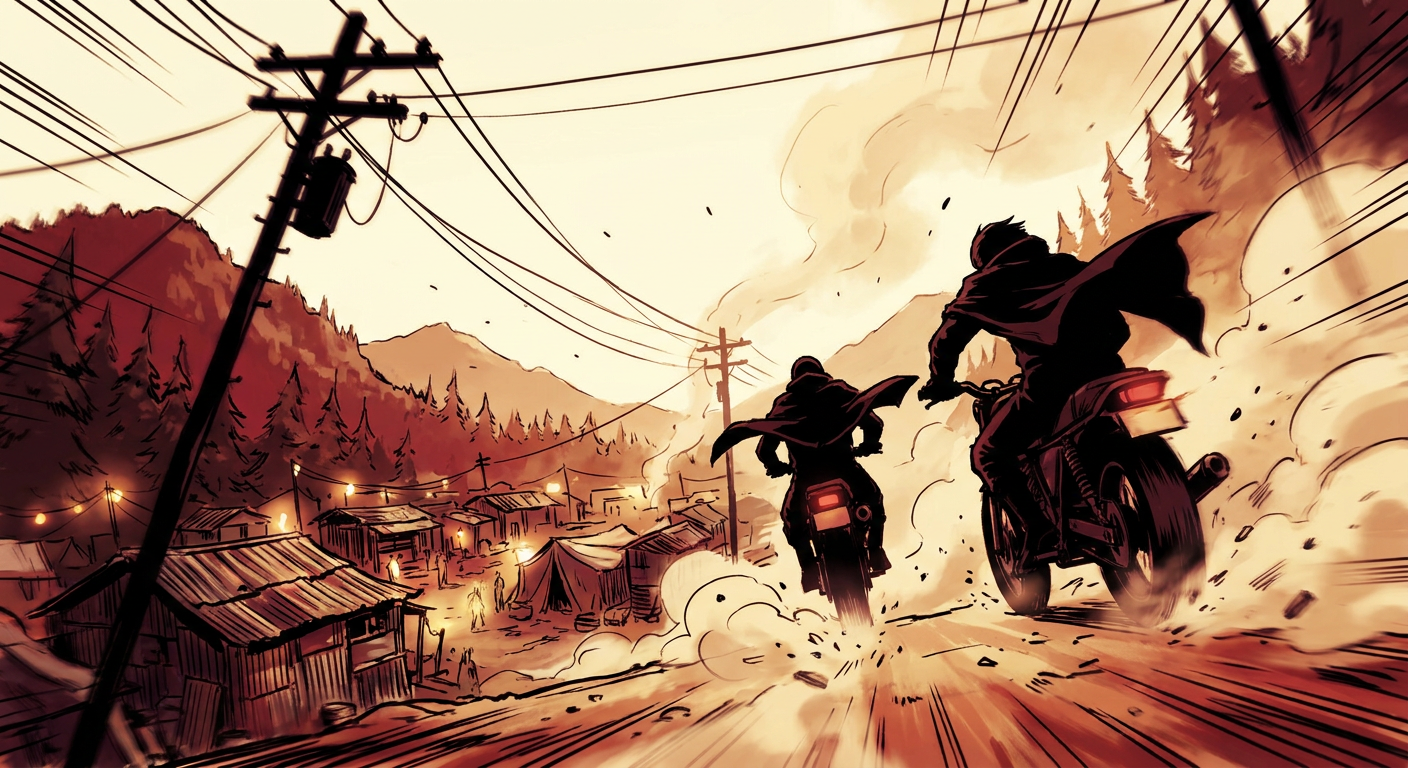
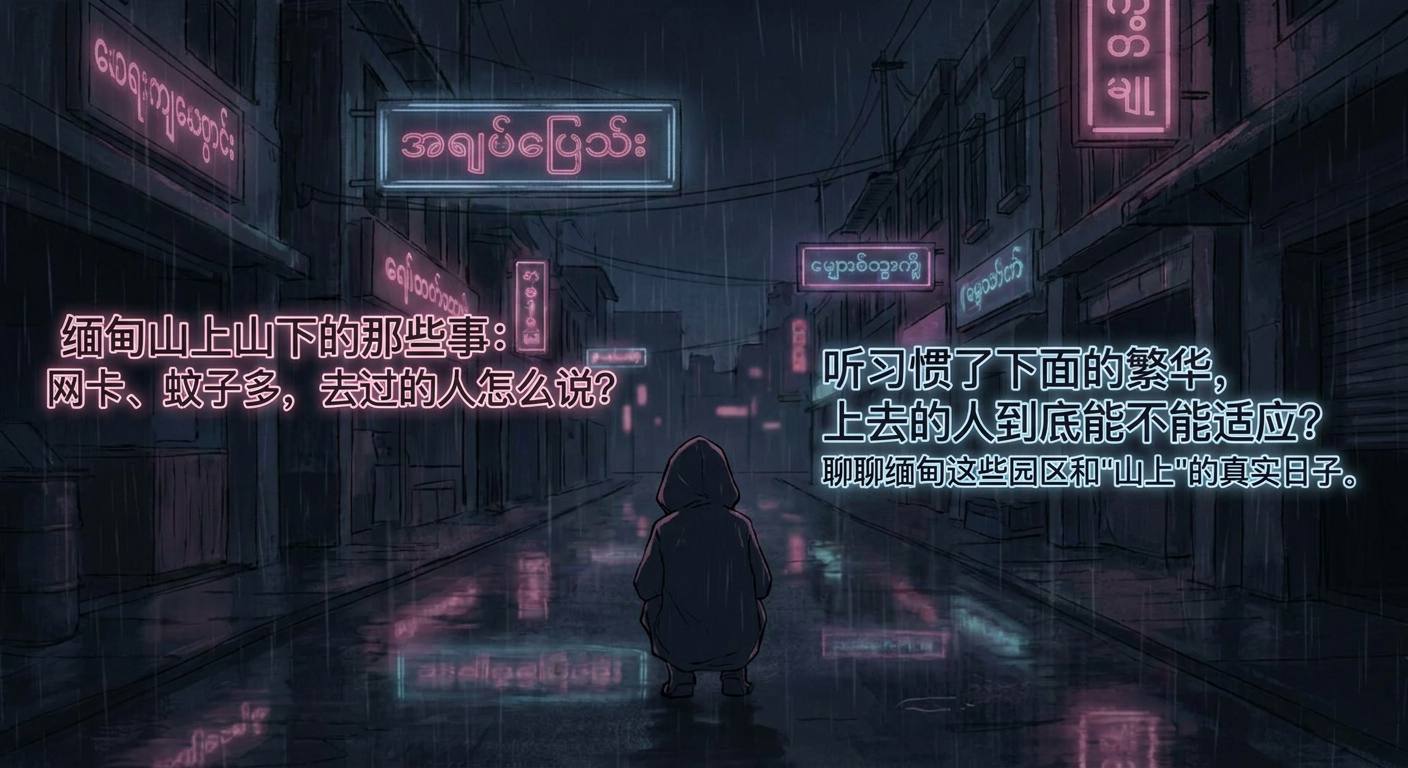
Life down here and up on the mountain are two completely different worlds. Down here, at least you’ve got the night market. After a shift, you can grab a hot bowl of noodles, crack open a cold beer, and listen to the familiar roar of motorbikes on the street. Up on the mountain? It is all high perimeter walls, surrounded by dense trees and barren hills. Once night falls, it gets pitch black, with nowhere to even go for a short walk.
The stories floating around online are no exaggeration, as anyone who has been up there will tell you. The phone signal is awful. Sometimes you have to stand around holding your phone up at weird angles just to send a simple message, so forget about streaming videos. After work, there is literally nothing to do except lie on your bunk in the dorm. Then there are the mosquitoes—huge, nasty bugs that bite right through your clothes. Buying basic daily necessities is a hassle, and the prices are downright absurd. Most people find the place novelty for the first three days, but by the end of week one, the insomnia kicks in. After a month, you are completely drained.
Local reports and people who managed to get off the mountain say it is not just the rough living conditions—you have no freedom of movement. Going anywhere requires getting approval through layer upon layer of management. Earning money is one thing, but living day after day with nowhere to unwind and no one to talk to makes even ordering a cup of boba tea feel like a distant dream.
Old-timers on the street all give the same piece of advice: if you are used to the vibrant street life down here, going up there will break you. The ones who survive just grit their teeth and endure it, while the ones who cannot spend every single day staring at the main gate, praying to get back down.