

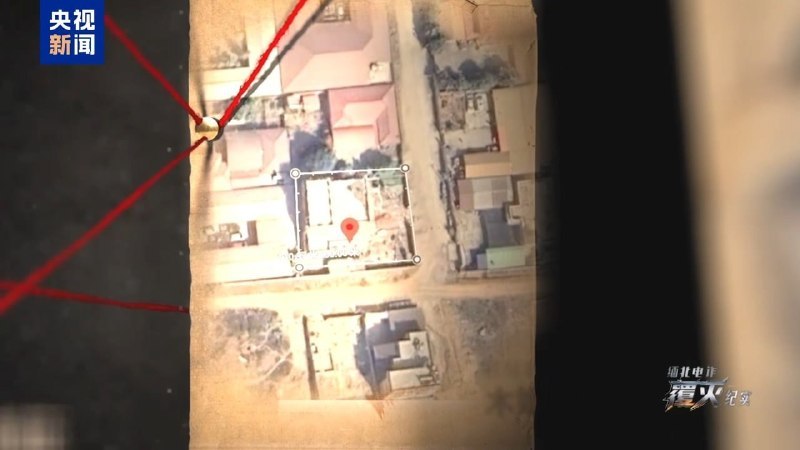
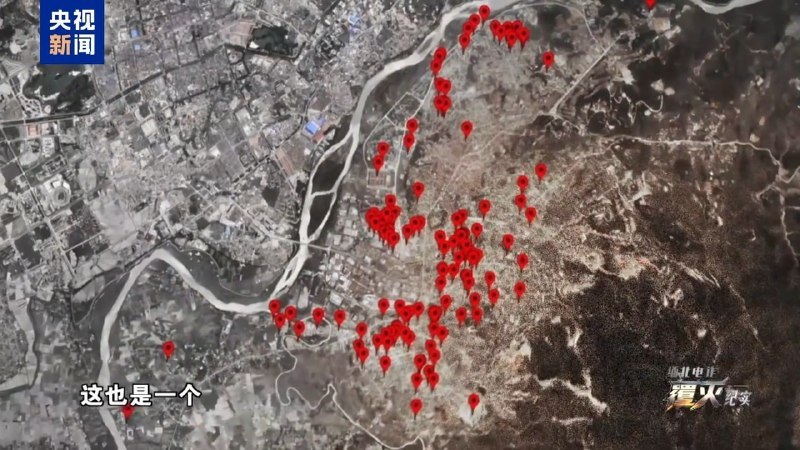

A newly aired documentary on the collapse of northern Myanmar's telecom fraud syndicates revealed that police coordinates and communication mapping turned the Muse border town into a dense cluster of red markers. Unlike the massive walled enclosures of Kokang, syndicates in Muse relied on decentralization. They divided personnel into smaller units across local hotels, rental apartments, and private villas, quietly deploying wireless bridges and fiber cables across the border to siphon network bandwidth from China.
Authorities began the counter-offensive by cutting off their digital lifeline. Within three months, technical teams shut down over 75,000 scam-related mobile numbers, canceled more than 4,000 broadband subscriptions in Muse, and dismantled nearly 100 cross-border wireless bridges, effectively paralyzing the underground network.
Targeted joint ground raids soon followed. In the first coordinated operation in late March 2024, 807 suspects were detained, leading to the transfer of 352 Chinese nationals through the Ruili border port—including 21 key organizers and financial backers, as well as 51 wanted fugitives. A second major sweep in September caught another 870 suspects, with all 313 Chinese nationals handed over to Chinese custody.
With Muse comprehensively cleared following earlier crackdowns in Kokang, Wa State, and Special Region 4, the primary scam strongholds in northern Shan State have now been largely dismantled. The era of blending into residential neighborhoods to run illicit operations has come to an end along the border.