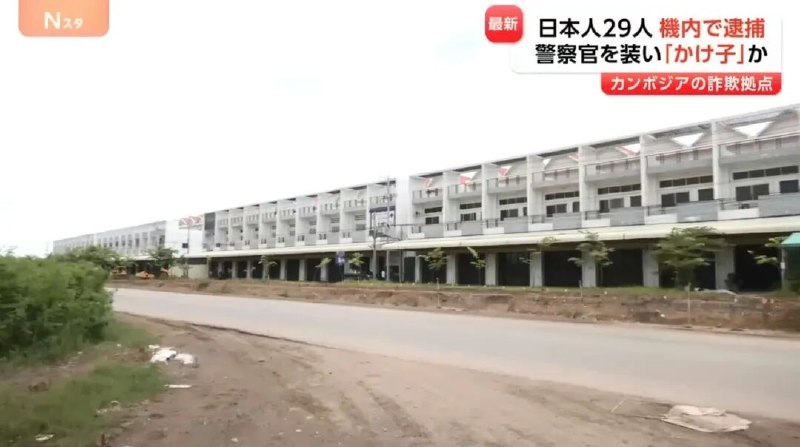
The Fukuoka medical student had originally told his family he was traveling to South Korea for a vacation, but his phone's GPS tracking showed he was actually in Cambodia. On the day he was scheduled to return to Japan, he sent a text message before his location abruptly diverted away from the airport toward a remote area. Soon after, he lost contact.
Eight months went by before his mother received an unexpected video call from an unknown caller. Her son was sitting in what looked like an empty izakaya, appearing tense and unnatural. He claimed he had decided to work there and urgently insisted that she cancel the missing person report filed with Japanese police and send him proof, claiming that the report had caused major trouble for his company. Following police guidance, the mother refused to drop the case. The call was cut off immediately, and he vanished once again.
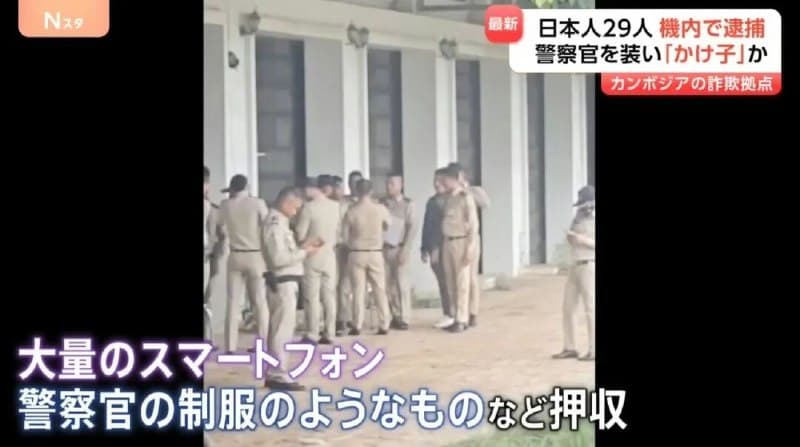
Putting the victim on camera to push the family into dropping the report may be a control tactic used by scam compounds: once a case is withdrawn, outside pressure to investigate may ease. His case is not an isolated one. In June, Japanese police estimated that dozens of Japanese citizens might be trapped in Cambodia, and senior police officials traveled there for talks. In September, the student's mother also traveled to Cambodia to search for him, but returned without any leads.
Online discussions have raised questions, with some netizens speculating that the senior acquaintance who invited him abroad may have been involved, while others suspect local law enforcement might be colluding with fraud syndicates, though neither claim has been verified. Given the immense hurdles of cross-border rescues, concealing travel plans and falling for overseas opportunities continue to carry enormous risks.
ToNanyang Prediction Market: https://tonanyang.cc/webapp/