In Phnom Penh, over iced coffee at a roadside stall, folks have been buzzing about the latest news from the U.S. Two committee chairs from the House of Representatives have sent letters to the State and Treasury Departments. They want an investigation into a list of 28 individuals tied to large-scale scams, human trafficking, and related criminal networks in Southeast Asia. The request is to see if these people could be sanctioned under the Global Magnitsky Human Rights Accountability Act within 180 days.
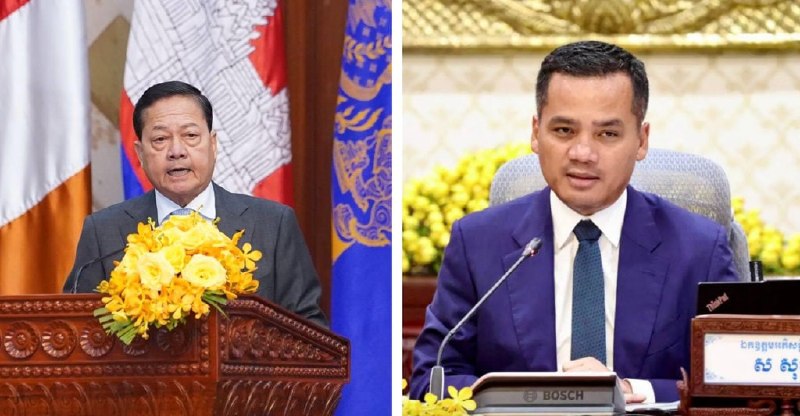
This list has caused quite a stir locally. It includes Cambodia's Deputy Prime Minister and Interior Minister Sar Kheng, Deputy Prime Minister Tea Banh, Deputy National Police Chief Dy Vichea, Kandal Governor Kuoch Chamroeun, and Sihanoukville Deputy Governor Long Dimanche. It's not just politicians; business tycoons are on it too, like executives from the Prince Group, Tai Seng Group, and Hui Huang Group, as well as the owners of the White Sand Palace Casino. U.S. lawmakers suspect that local elites might be shielding these scam networks or profiting from them, and previous crackdowns haven't hit the core.
As the sun sets, the streets fill with the noise and exhaust of motorbikes. A delivery rider, waiting at a red light, chats with others about the news. Everyone seems to know the score: this is just a suggestion for an investigation, not an official sanction yet. Whether those shady business parks with their drawn curtains and the late-night vans will decrease remains to be seen. A street vendor shakes his head, saying it all depends on what happens over the next six months.