To put it bluntly, this case was about a group of people packaging themselves as “highly successful businessmen” and targeting Vietnamese women on platforms such as Facebook, TikTok, and Telegram. They would first add them as friends and chat gradually. Once enough trust had been built, they would steer them to a so-called “online gambling website.” After money was deposited, they would first give them a taste of profit: small amounts could be won and withdrawn. But once the victims increased their deposits, the stalling began—either a “system failure,” or “account verification,” or else a claim that they had to “pay tax,” drawing the victims in step by step until their money was trapped.
On September 6, Hai Phong City police had already prosecuted and criminally detained 44 people on charges of fraudulently appropriating property and money laundering. The investigation found that this ring was run by Chinese nationals responsible for the technology, accounts, and overall coordination, while some Vietnamese members handled translation, management, and equipment preparation, then passed victim information to frontline callers to carry on the chats.
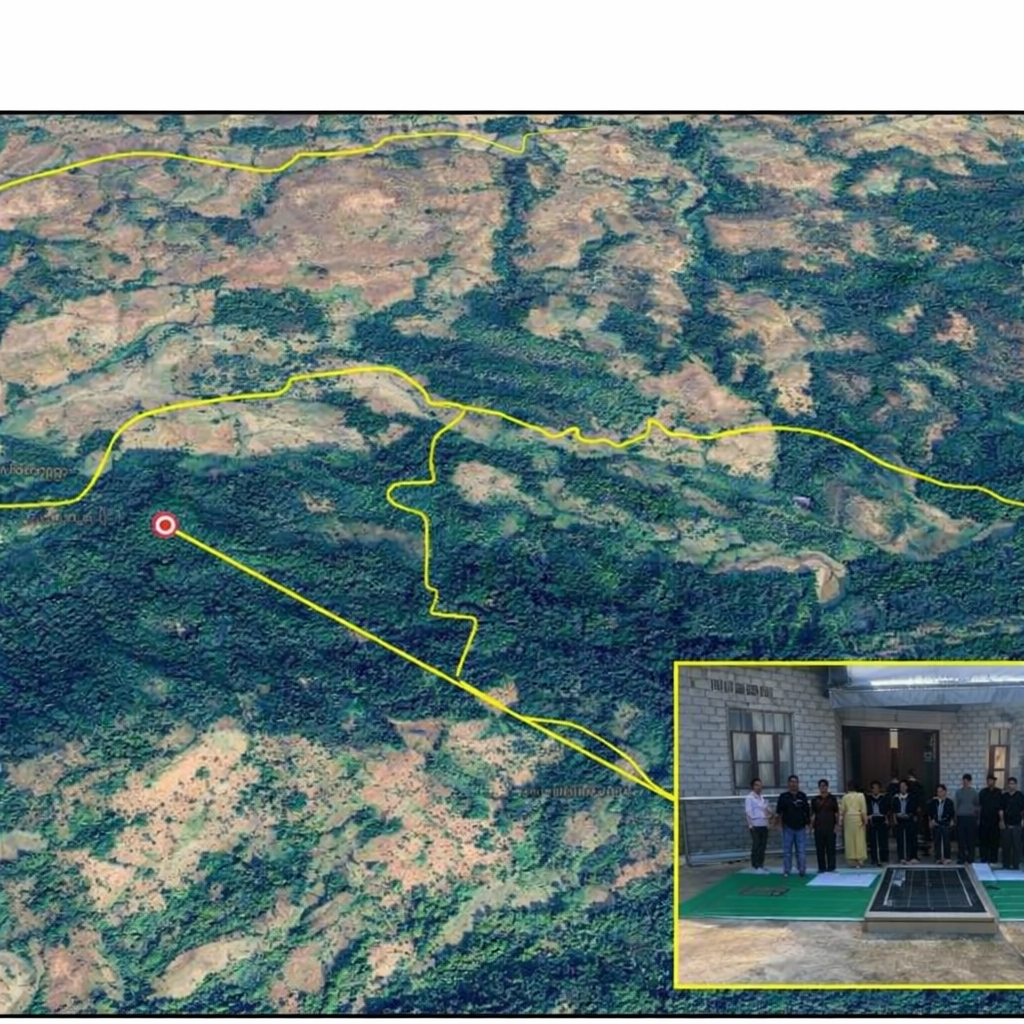
This operation was first active in Cambodia, but after being targeted by local law enforcement, it moved to Bokeo Province in Laos. There, they rented land from local residents and put up factory-like buildings, specifically to target Vietnamese citizens. From March to June 2026, the group also recruited people under the banner of “easy work, high pay,” using positions such as casino staff, game operations, reception, and technical posts as cover. Travel costs and exit expenses for going to Dun Muen District in Laos were also covered by the group.
The frontline setup was also highly standardized: computers, iPhones with Viber, WhatsApp, and Telegram installed, along with a batch of virtual accounts disguised as successful businessmen. The objective was very clear—to add Vietnamese women with relatively good economic conditions. On the surface it looked like ordinary recruitment or ordinary socializing, but behind it was fully proceduralized operation, like a night-shift machine room, one link locking into the next.
On June 7, a joint law enforcement force arrested 57 suspects at the site in Bokeo Province, Laos. The foreign suspects continued to be handled by the Lao side, while 45 Vietnamese suspects were escorted back to Hai Phong City. Such cases have not been rare locally over the past two years, and the methods have increasingly resembled an assembly line: luring people in through social platforms, setting the trap with fake websites, controlling wins and losses from the back end, and finally blocking withdrawals under various pretexts. News that seems to blow past like motorcycle exhaust often has a whole black-market industry behind it.