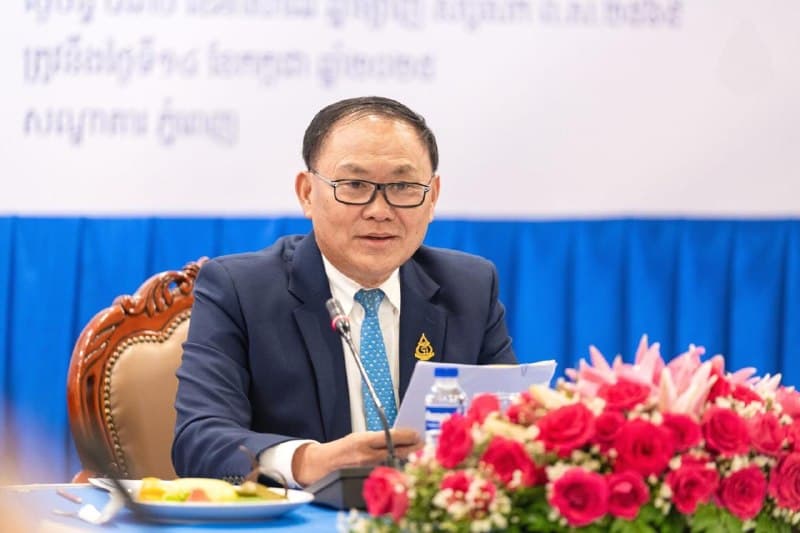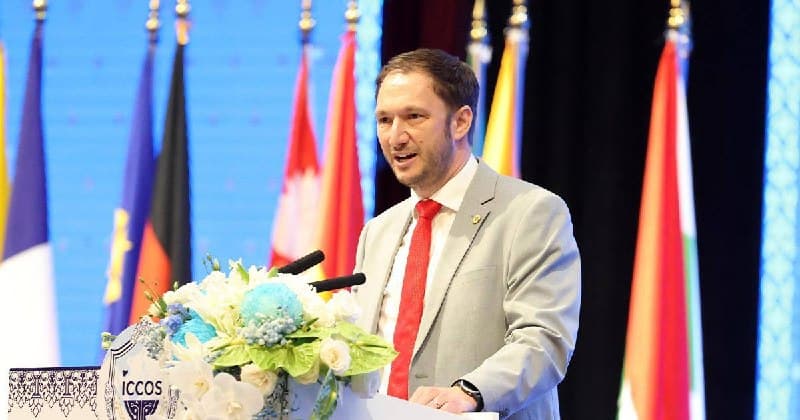
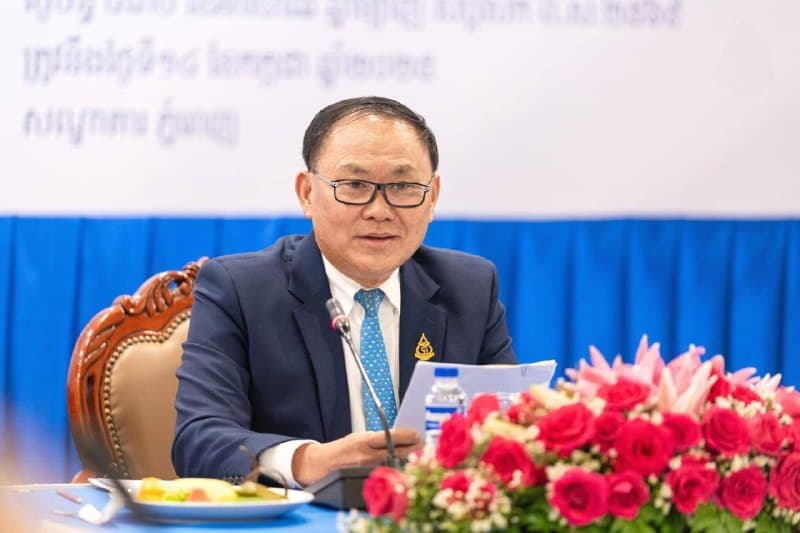
There was a bit of fanfare in Phnom Penh over the past few days as the Senate officially opened its grand new building, the Solidarity Palace. King Norodom Sihamoni himself presided over the inauguration, flanked by Senate President Hun Sen and Prime Minister Hun Manet. It is an imposing landmark, and official reports were quick to highlight that the project did not rely on a single cent of foreign aid, having been raised entirely through local donations. But as news spread through the city, everyday folks busy managing their own household budgets took a closer look at the donor list, and a few eyebrows were raised.
According to reports from local and Thai media, prominent Oknha Ly Yong Phat and the Prime Minister’s cousin, Hun To, were both listed among the major donors. Both are high-profile figures in the local business scene, but both were recently hit with U.S. sanctions over alleged ties to online gambling, telecom scam syndicates, money laundering, and human trafficking. Even though both men have strongly denied the allegations, using tycoon money of this nature to fund a major state building inevitably puts the project under intense scrutiny—especially when Cambodia is already under a harsh global spotlight over cross-border scam operations.
For those of us who came south to build a life in Phnom Penh—whether running a small shop, working on a job site, or pounding the pavement doing sales—news like this usually gets kicked around over a glass of iced coffee at a roadside stall before everyone gets back to the daily hustle. After a tough few years with tight market conditions and heavy scrutiny from outside, honest small business owners and working folks just fear anything that might trigger local instability or hurt trade. Far away from home, nobody is looking for high politics or drama. All anyone wants is quiet streets, a safe neighborhood, and a steady chance to earn an honest living.