When we first set out, everyone talked about staying abroad for a few years, making enough money, and then heading home. But as time went on, nobody mentioned going back. The Southeast Asian sun is strong, and white clothes hold up well, looking clean. Every day, there are rumors of crackdowns, and we say, "The rougher the seas, the pricier the fish."
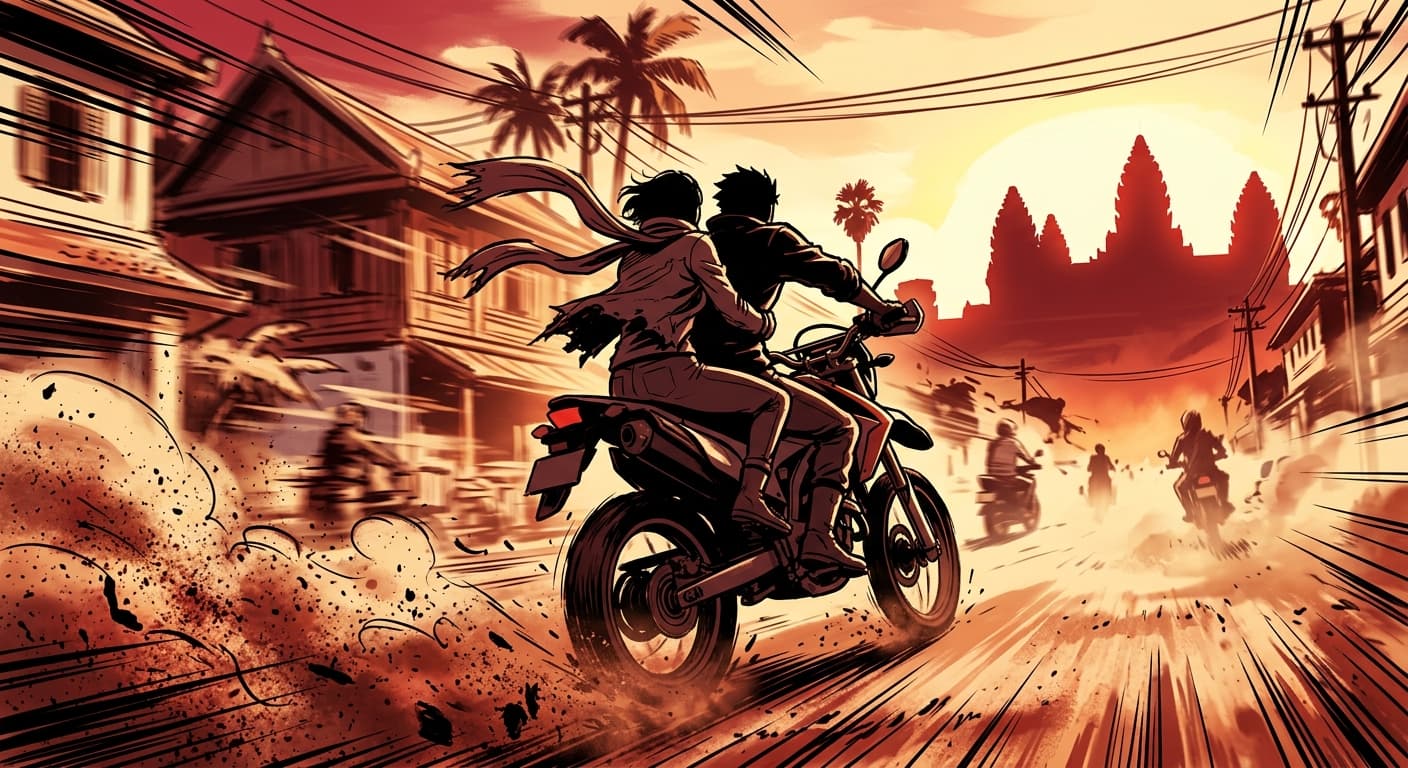
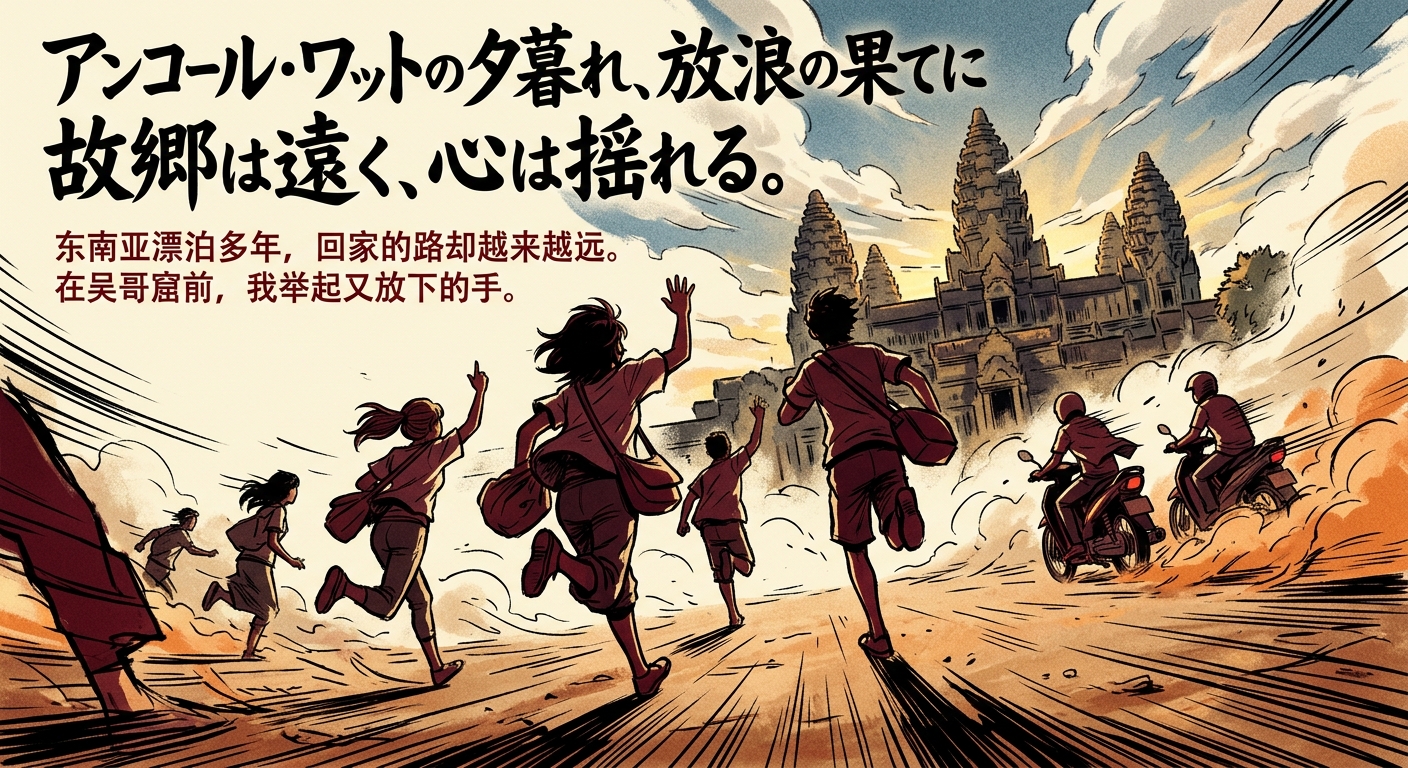
This time, the storm really hit, and people started leaving—not to return home, but to find the next place to settle. We wandered through Cambodia, Malaysia, Laos, and the Philippines—not for sightseeing, but to find a way to survive. Someone suggested visiting Angkor Wat, and I agreed.
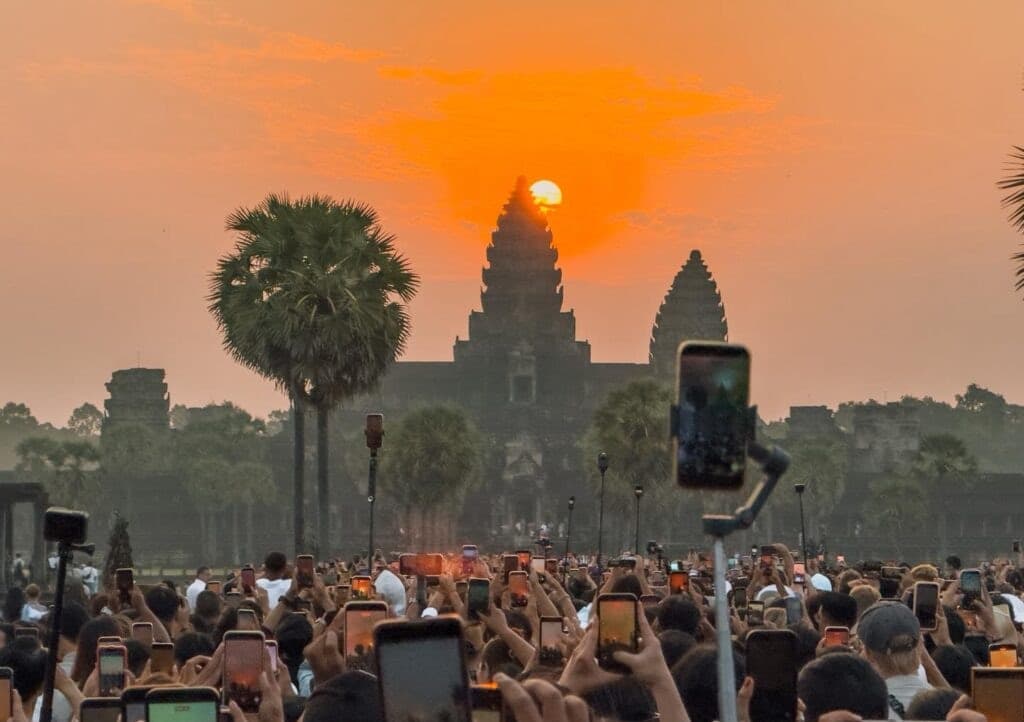
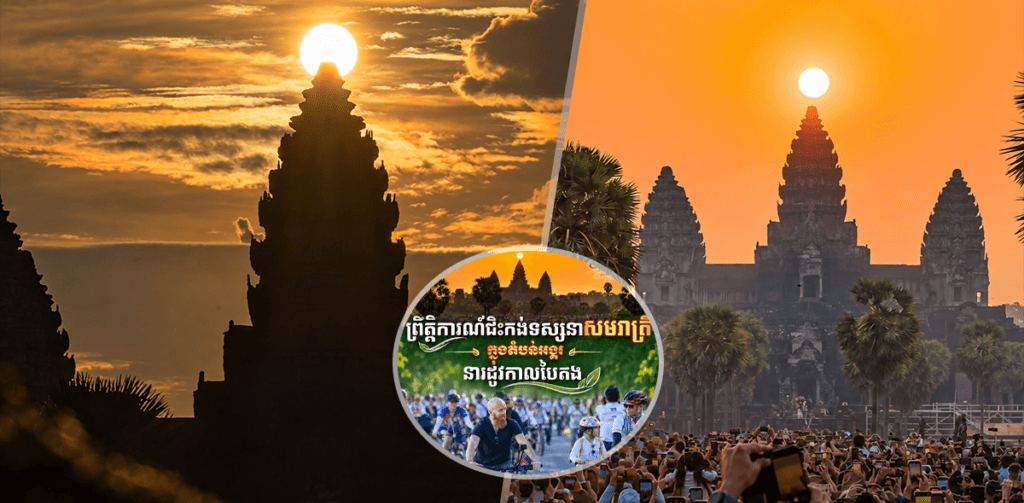
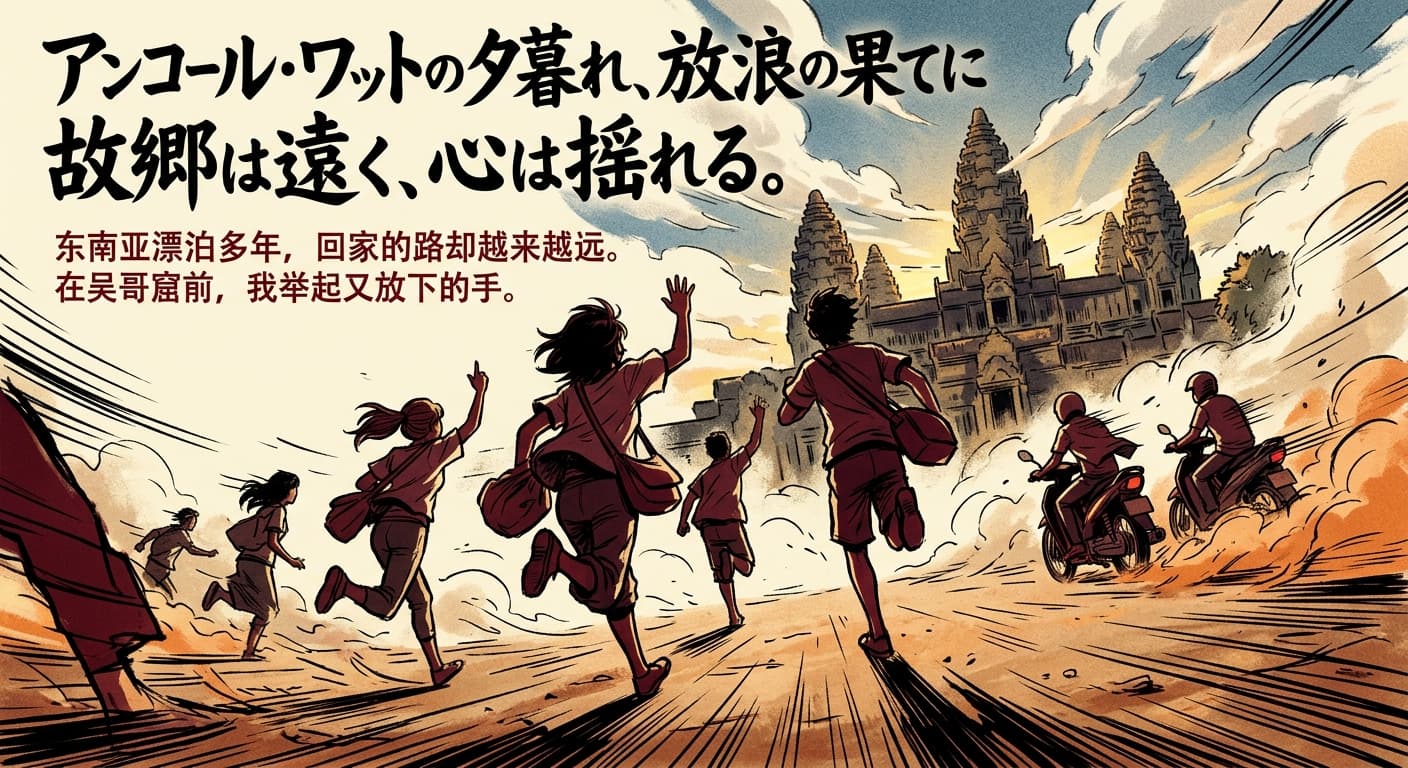
Following the tourists, I realized at the entrance how different it was from places back home. Stones stacked high, trees growing through walls. Many of the Buddhas were missing heads, some without hands, others with worn faces. Some people prayed, and I wanted to join, but my hands fell halfway.
I often think of that place—not the Buddhas or the stones, but the feeling, like a conversation cut short. Sometimes, when I can't sleep, I wonder: what if I hadn't left that day?
I've moved through many cities, companies, and markets, meeting countless people. Some went back, some ended up in trouble, and some are still searching.
We used to say we'd go home once we earned enough, but "enough" never comes. By the time you want to return, your family has gotten used to you being away.
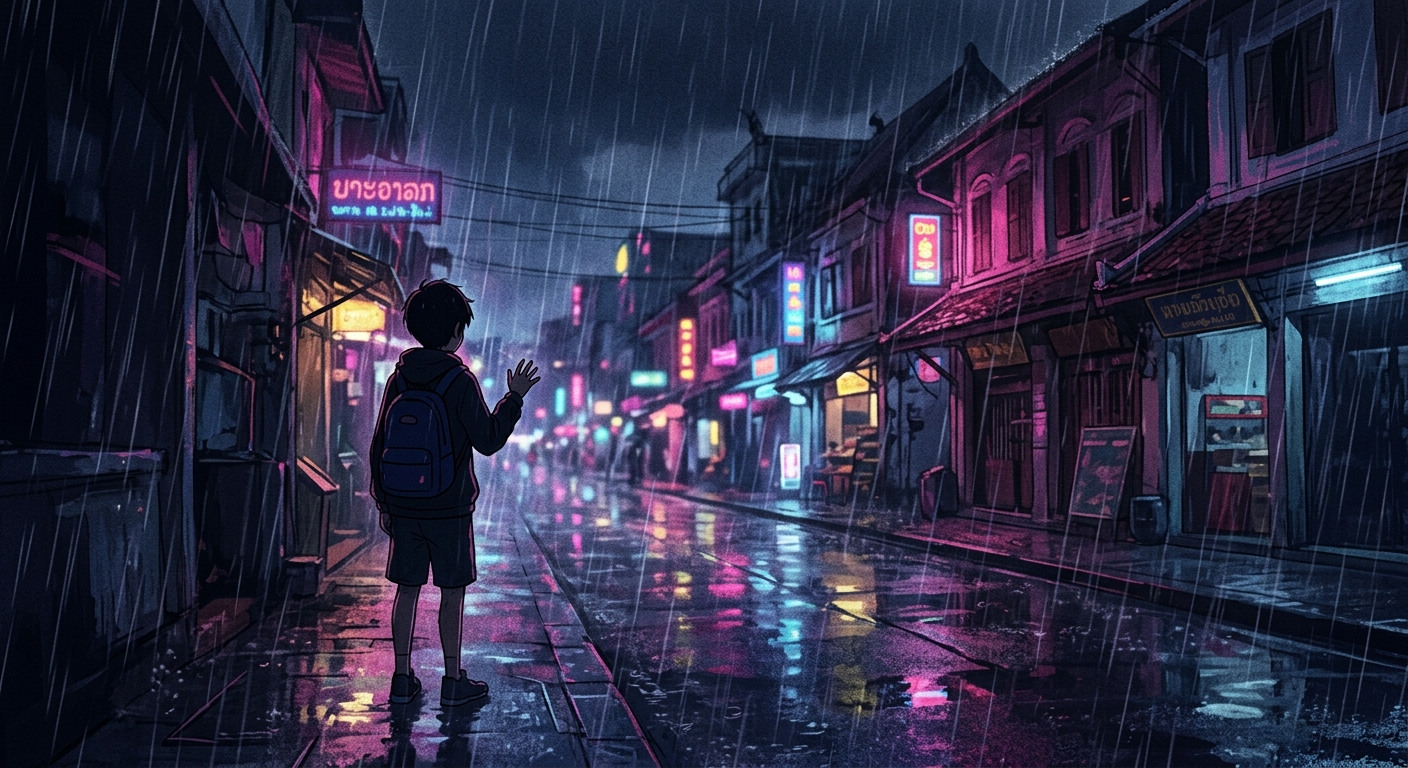
At night, when the phone is off and the door is closed, nobody calls you "boss." What remains isn't money, but days you don't dare to remember, like the hand I raised at Angkor Wat and then lowered.
I'm not hiding from crackdowns or storms; I'm hiding from not knowing when I can go home. The hardest part is realizing I thought I was out here to make money, but I left my life on the road.