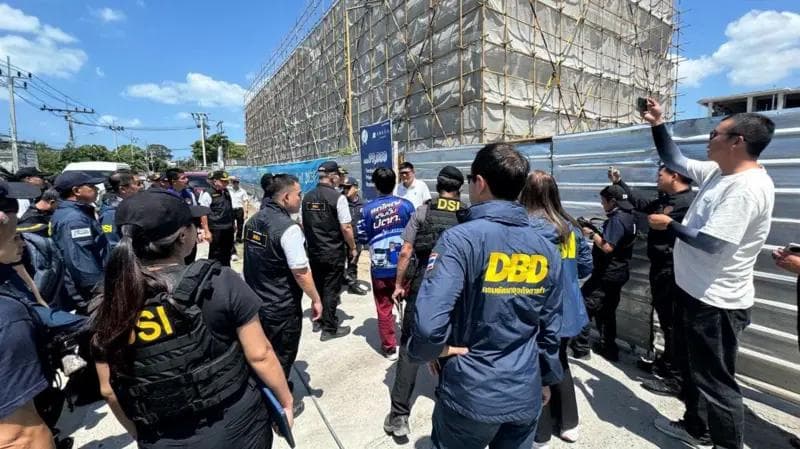

A recent commentary published by the Global Times addressed the wave of online hysteria following the tragic accidental drowning of two Zhejiang hospital staff at a hotel pool in Thailand. Despite official findings confirming an accidental death, fabricated rumors alleging murder and organ harvesting spread rapidly across social platforms. The commentary pointed out that click-driven content creators are manipulating safety concerns and turning personal tragedies into sensationalist horror stories.
This trend has been brewing for some time. While legitimate coverage of cross-border telecom fraud has raised public awareness, it has also devolved into widespread anxiety and blanket calls to avoid the region entirely. Unverified rumors, such as claims of abducted students being auctioned off, have further fueled public dread. The article highlighted that, according to official consular ratings from China's Ministry of Foreign Affairs, the vast majority of Southeast Asian travel destinations remain classified as low-risk blue zones.
Such unchecked alarmism ultimately hurts legitimate grassroots exchanges and the livelihoods of Chinese business owners operating overseas. With tens of millions of mutual visits between China and ASEAN each year, cross-border travel underpins countless families and small merchants. Staying alert to criminal threats is necessary, but replacing measured caution with indiscriminate panic does little to improve actual security.
Like for points, predict to win points|ToNanyang Prediction Market: https://tonanyang.cc/webapp/