
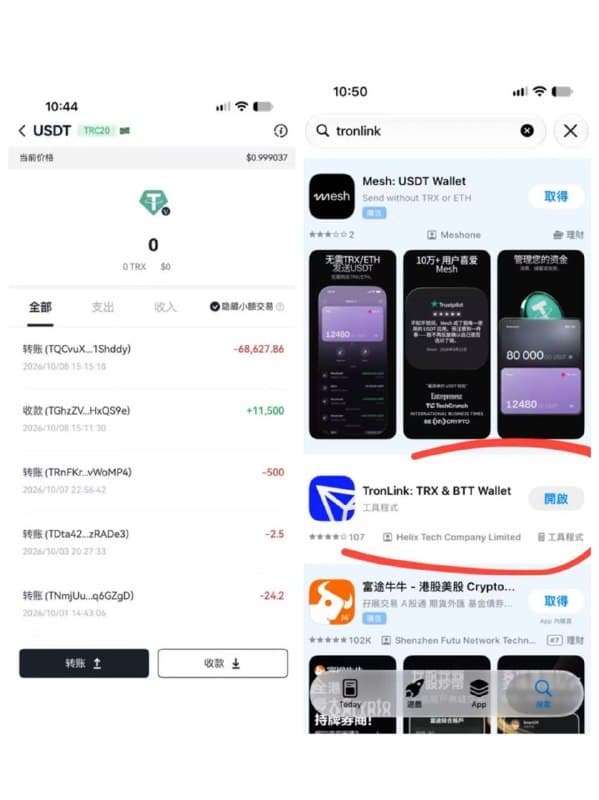
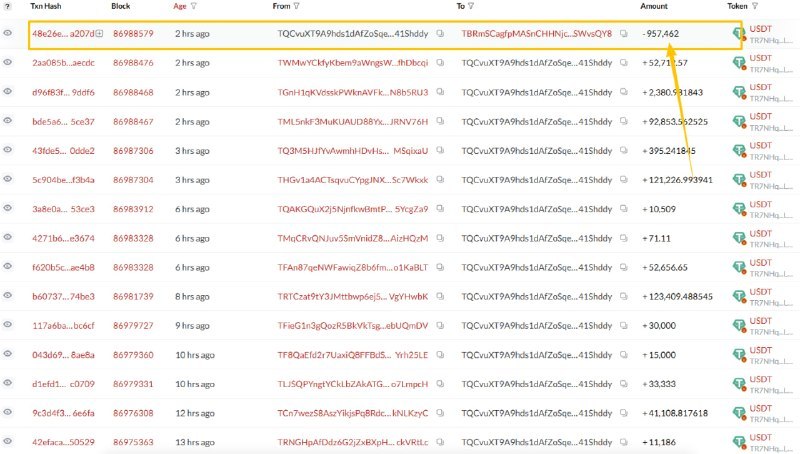
According to a user report, nearly 70,000 USDT was mysteriously drained from their TronLink wallet. The submitter claimed the mnemonic phrase was solely hand-copied onto paper with zero digital records kept on the phone, and subsequent checks revealed no unauthorized multi-signatures or suspicious smart contract approvals. Upon examining the blockchain explorer, the victim found that the recipient address had accumulated nearly 1 million USDT over just two days, suggesting a large-scale, automated campaign targeting crypto holders.
Across Southeast Asia, USDT serves as the standard medium for cross-border commerce, informal finance, and personal asset reserves. Many operate under the assumption that keeping recovery phrases offline guarantees safety. However, modern crypto theft vectors have evolved far beyond basic phishing, often exploiting poisoned application installation packages, compromised keyboard cache, clipboard hijacking, or deeply concealed system-level vulnerabilities.
While the exact breach method in this case remains unverified, millions of stablecoins being wiped out across multiple wallets within hours is a stark wake-up call for anyone holding large digital balances. Distributing funds across isolated devices remains one of the few practical ways to mitigate such invisible risks.
点赞送豆,预测赢豆|下南洋预测市场:https://tonanyang.cc/webapp/