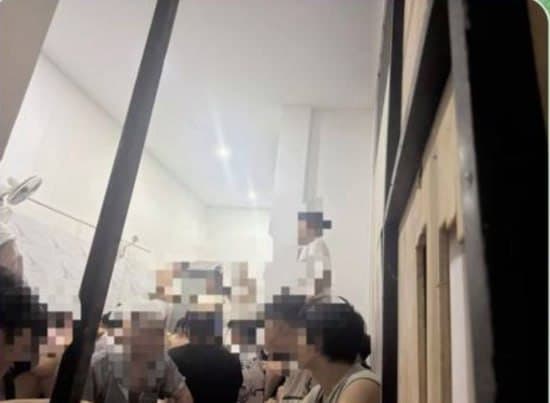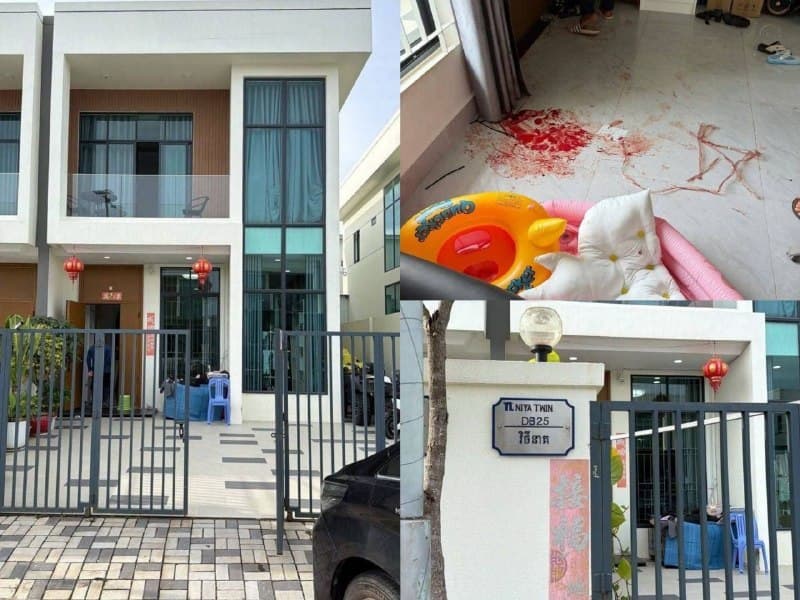


Following recent raids on apartment buildings such as the UK Apartments, local chatter estimates that anywhere from dozens to nearly a hundred people were rounded up. Strangely, unlike the usual protocol where authorities hold a press conference within a day or two to display confiscated equipment and transfer suspects to court or immigration, no official headcount or formal charges have been released this time.
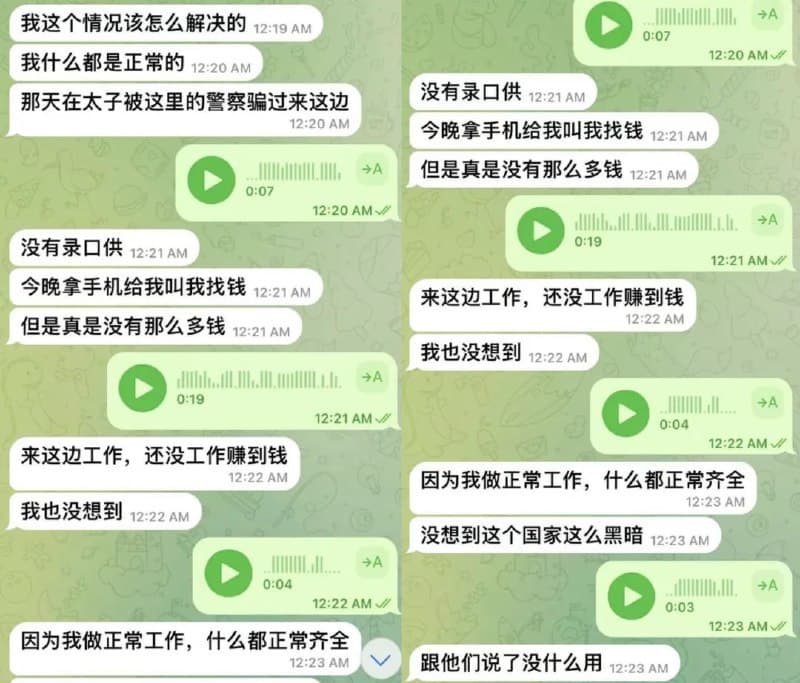
According to people familiar with the situation, detainees were even handed back their mobile phones. This was not for leisure, but to give them a window to contact anyone on the outside who might help resolve their situation.
This setup creates an awkward dynamic. Organized fraud rings backed by wealthy bosses typically factor such costs into their operational budget in advance, meaning their core staff often secure release earliest. The ones left waiting are isolated operators without backing and ordinary bystanders who simply lived in the raided buildings. As time passes, the threshold for finding a resolution may drop, but anyone unable to produce a solution by the end risks being classified as fraud suspects and processed for deportation.
Those who do manage to walk out quietly keep their mouths shut. Without receipts or recorded evidence, going public would achieve nothing and could easily lead to defamation complaints or further retaliation in town.
By postponing public announcements under the plausible justification of careful individual screening, local enforcement gains a flexible operating window. For local departments, this model aligns perfectly with the central anti-scam mandate while generating its own compelling momentum, ensuring these raids will likely continue unabated.
点赞送豆,预测赢豆|下南洋预测市场:https://tonanyang.cc/webapp/