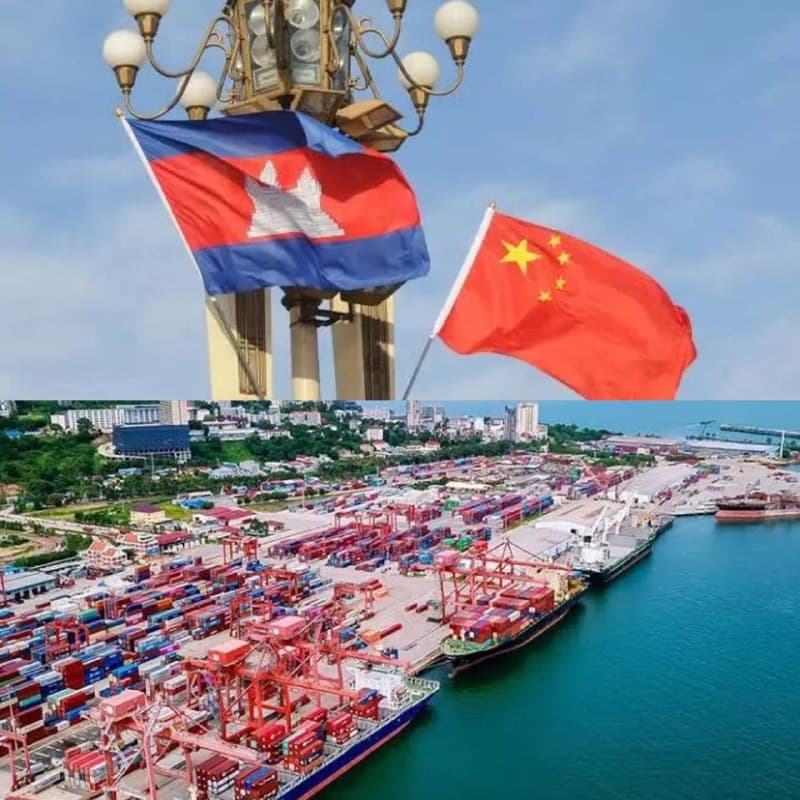
Fresh off the official charts, trade between Cambodia and China topped $15.53 billion in the first eight months of this year, up over 20 percent from the same period last year. From Cambodian rice and bananas heading north to Chinese machinery and fabrics streaming in, business is buzzing. On any given day along the main roads of Phnom Penh or Sihanoukville, container trucks rumble past one after another. Under the umbrella of the free trade agreement, the shipping orders just keep coming.
Even with imports far outstripping exports and leaving a sizable trade gap, moving cargo means real work on the ground. Every piece of new machinery installed in a factory, every crate of bananas packed off to the docks translates into steady jobs—not just for local workers, but for the Chinese who came south to build a life here. Chinese Ambassador Wang Wenbin recently highlighted plans to keep pushing forward the industrial and agricultural cooperation corridors. For ordinary folks trying to get by, every extra hum of factory equipment and every shipment cleared at the pier means a paycheck you can count on.
Looking back at last year, China accounted for the lion's share of foreign investment here, pouring in over $5.4 billion. But anyone earning a living away from home knows that big numbers only matter when they turn into the heat and smoke of everyday life—a food stall outside the factory gate adding a couple more plastic tables, or paying the monthly rent and electric bill without having to pinch every riel. From old-timers to new arrivals who took the journey south, people are clearing their own path and sinking roots into this warm soil. Surrounded by the buzz of motorbike exhaust and watching factory walls rise higher by the day, life moves forward in the quiet, steady rhythm of daily work.