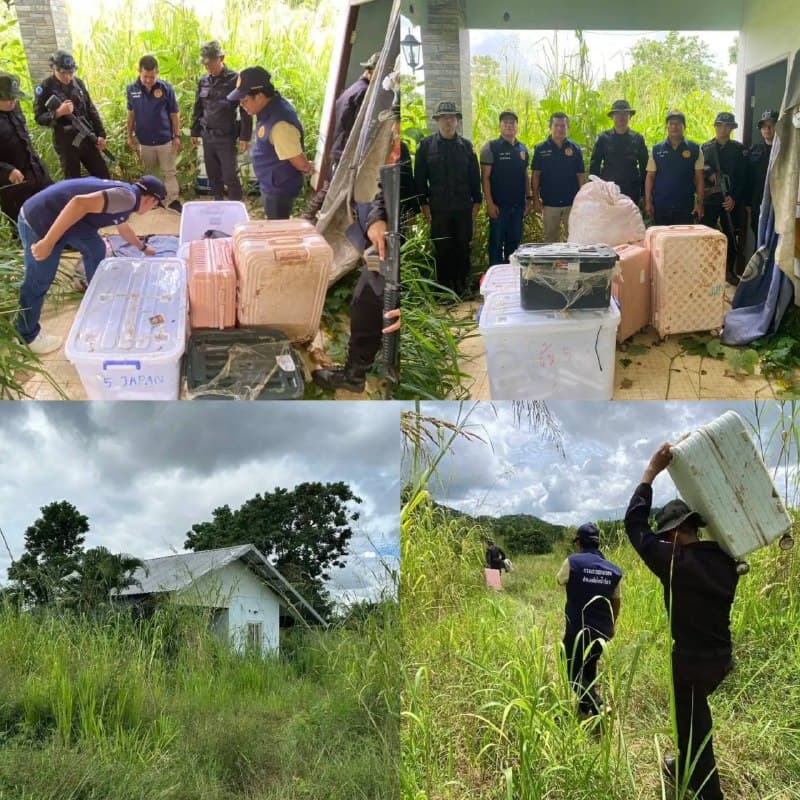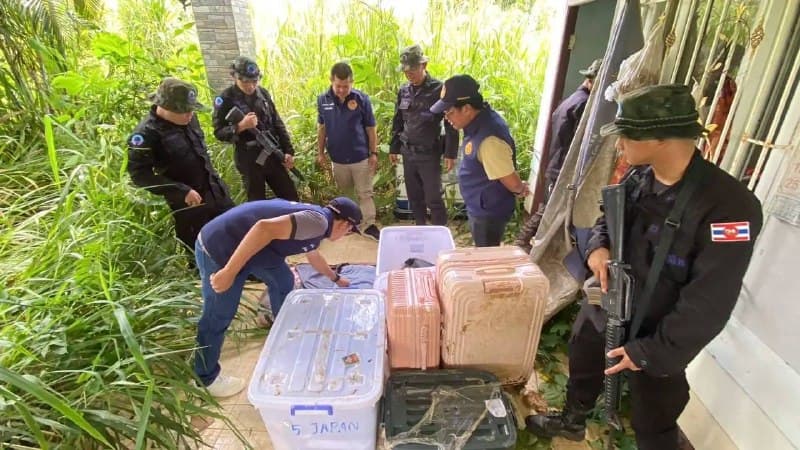
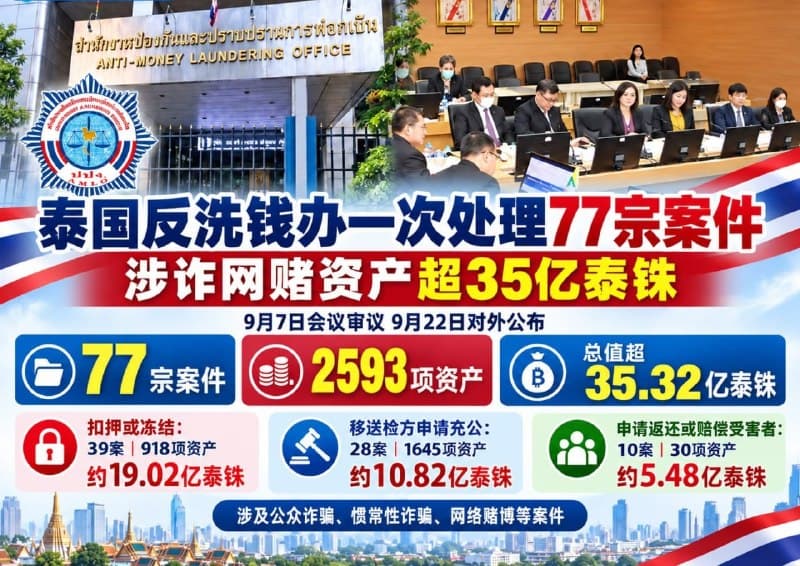
On September 22, Thailand’s Anti-Money Laundering Office made a major announcement on its latest crackdown, taking aim at 77 cases in one wide sweep. The operation covered 2,593 asset items with a total value topping 3.532 billion Thai baht. According to local news reports, the Transaction Committee had already vetted the files back on September 7, zeroing in on public fraud, habitual scams, and online gambling rings.
Breaking down that 3.5 billion baht figure shows where the money is headed. In 39 of the cases, 918 assets worth around 1.902 billion baht were officially seized or frozen. Another 28 cases involving 1,645 assets, valued at 1.082 billion baht, were passed along to public prosecutors, who will ask the court to forfeit the funds to the state. The remaining 10 fraud cases, covering 548 million baht, are earmarked for court requests to return the money to the victims.
For anyone running a small shop or putting in long workdays across the region, the shadow of underground gambling and grey-market syndicates has been a daily headache for years. It has quietly squeezed honest people—making routine errands like opening a local bank account or sending money back home to family far more complicated than they used to be. When folks chat about it over dinner or on street corners, the feeling is usually the same: whenever local police pull up these dirty operations by the roots, life gets just a little safer and smoother for everyone trying to earn a decent living away from home.